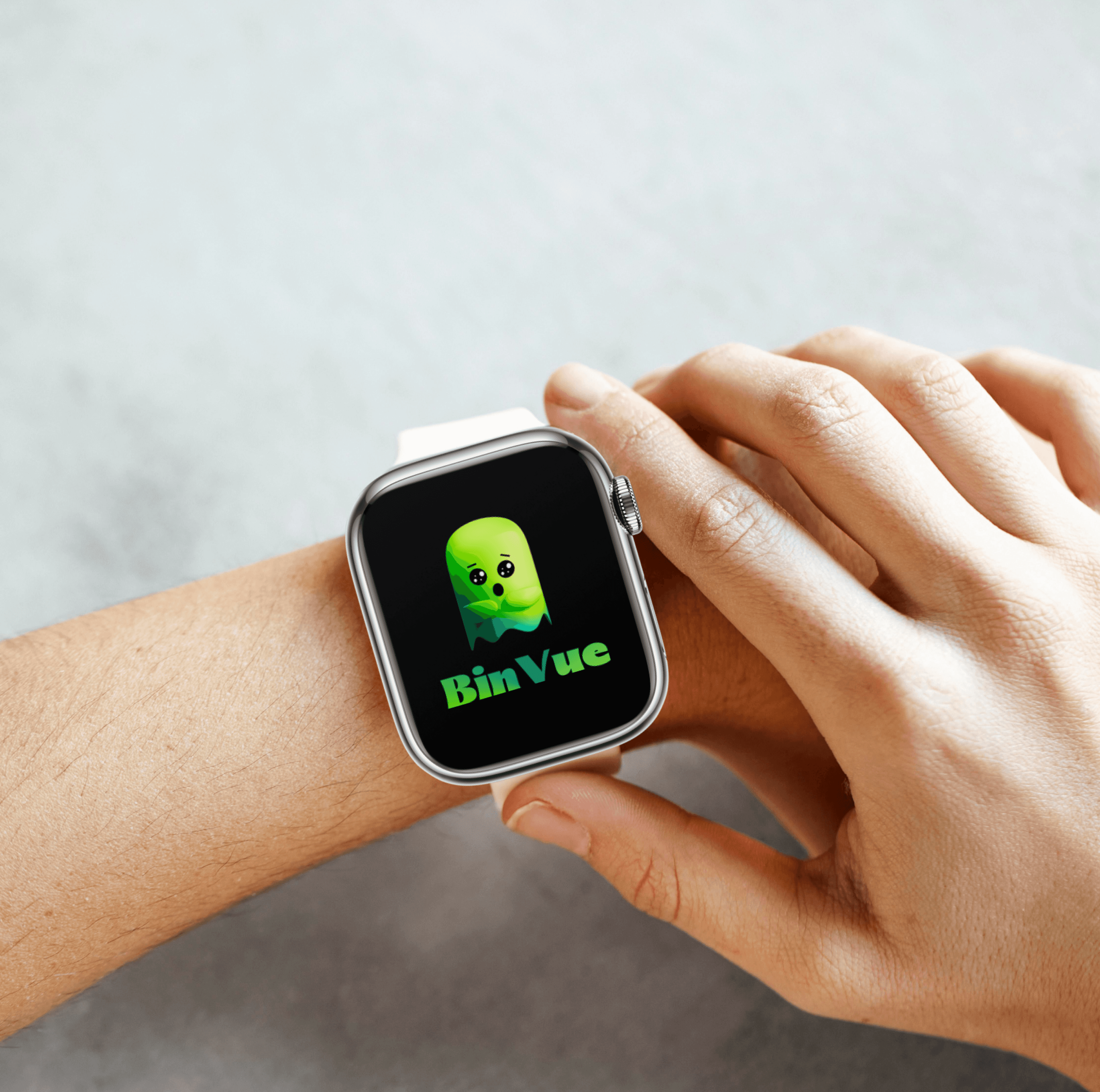

Mobile App
Optimizing Waste Disposal with BinVue
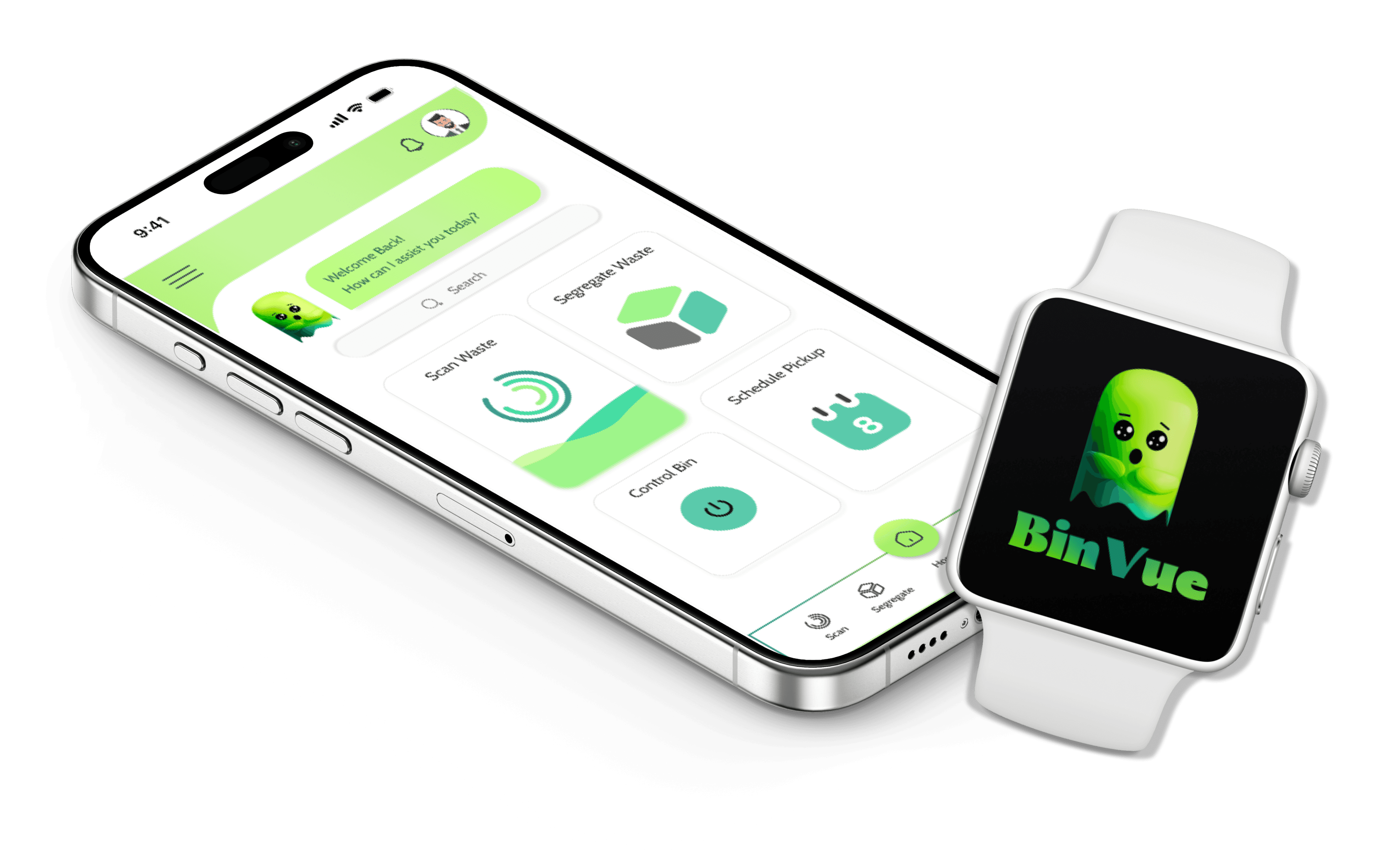
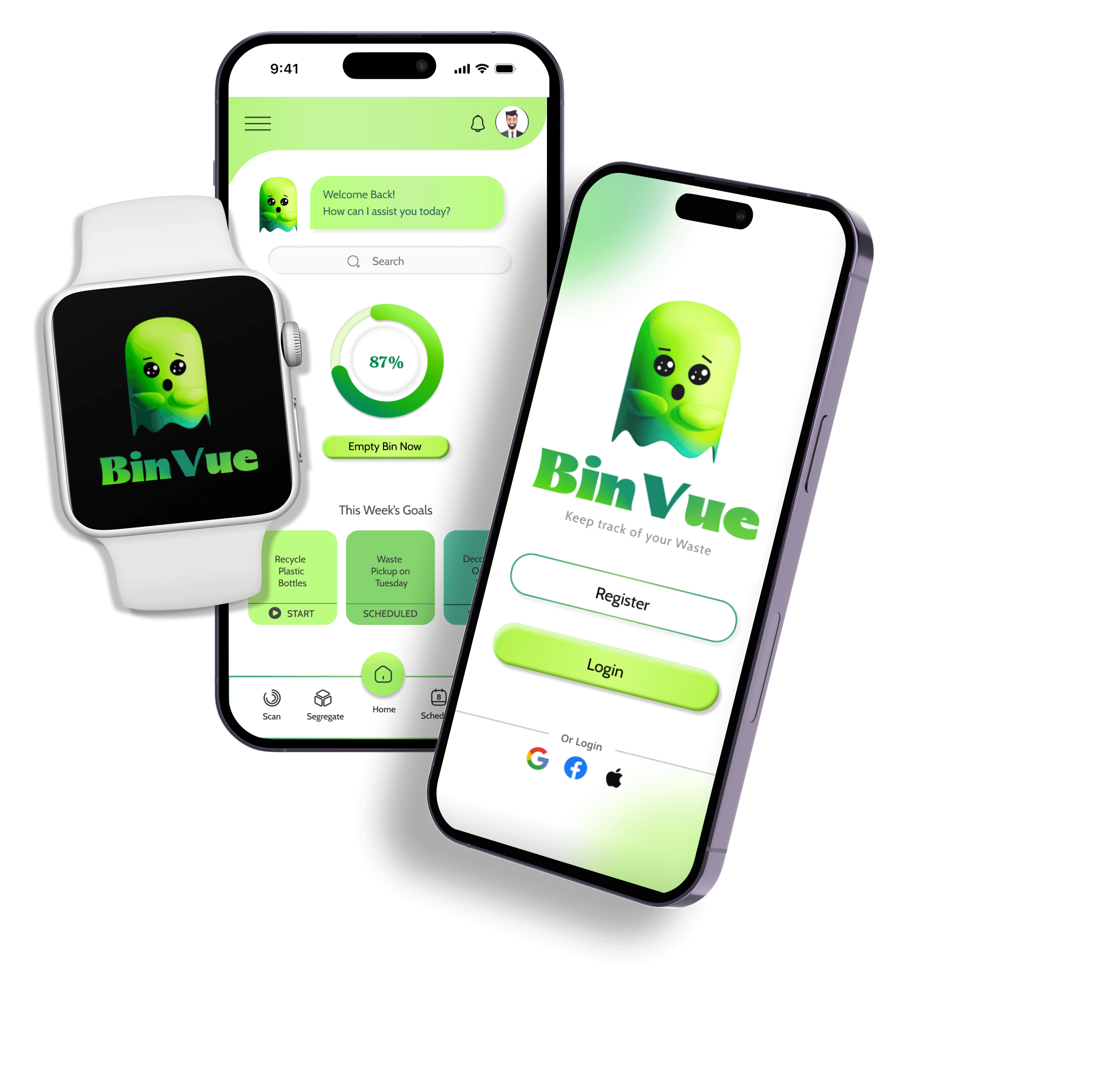
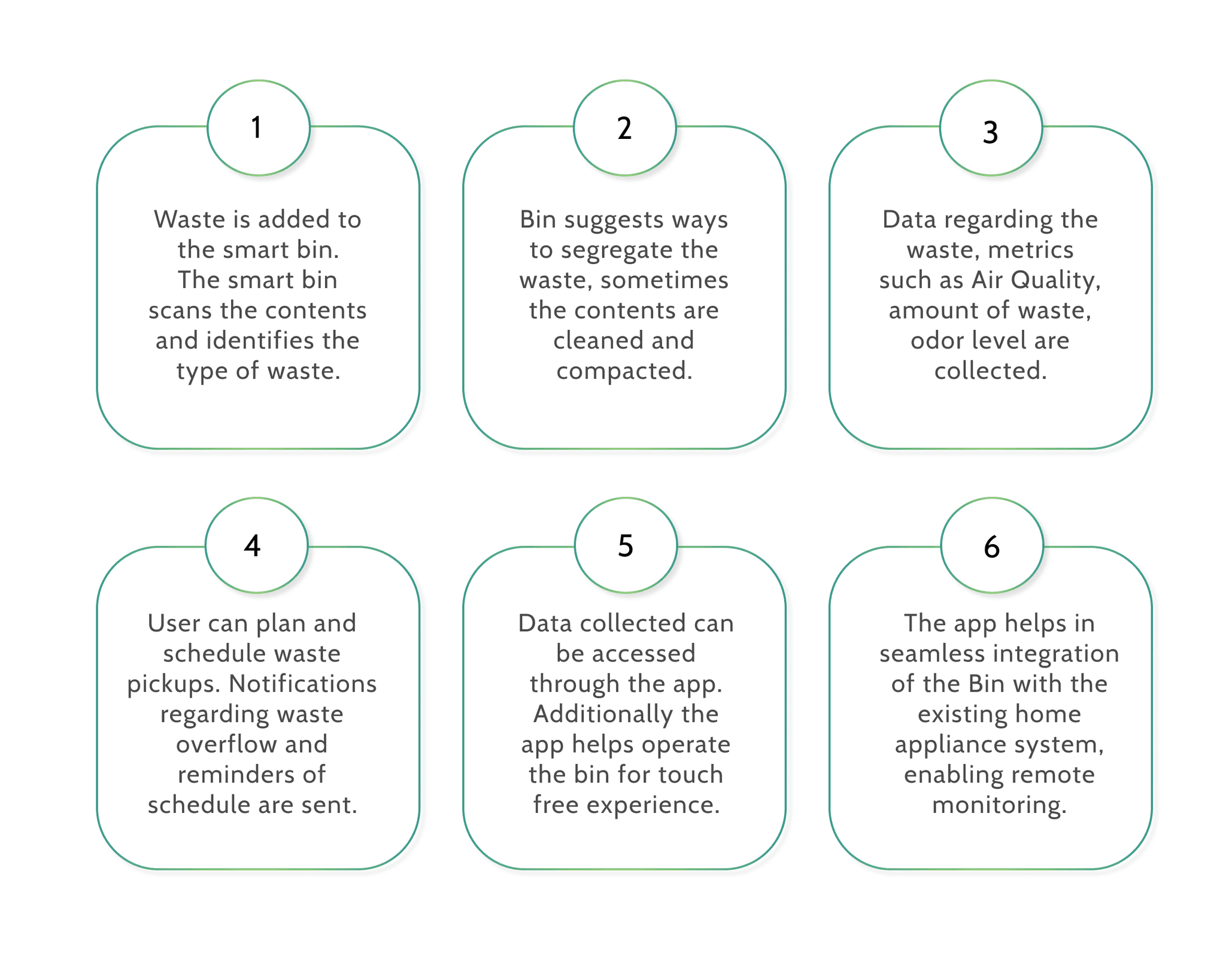
BinVue is a Mobile App designed for efficient waste management, enabling users to easily scan, segregate and schedule their waste according to their convenience.
| Solo
| Duration
4 Weeks
| Tools
Figma
My Role(s) : Product Development, UX Research & Design
I designed the entire product from scratch and established the scope of the application. The process started with intense research of various existing market products and the crucial issues faced regarding waste management at an individual level. I then created wireframes, mockups and interactive prototypes for the application.
THE HOW?
Data driven Waste Monitoring and Tracking: The App helps in waste analysis and monitoring for evidence-based decision-making.
User Friendly: The product is designed to promote positive behavioral change through
real-time feedback mechanisms, customizable features, tailored for individual needs.
Promoting Responsible Ownership: Educate and facilitate User to make timely informed decisions regarding their waste disposable practices.
The What?
Urban households and businesses struggle with inefficient waste management, leading to unpleasant odors, overflowing trash, and environmental harm. Existing trash cans lack smart features, making it difficult to monitor waste levels, optimize waste disposal, and maintain a clean and hygienic environment.
The Why?
75% of users report frustrations with overflowing trash cans.
1) Desk Research 2) Story Board 3) User Interview 4)User Persona
Desk Research
RESEARCH
I did lot of secondary research through browsing online forums, listening various Ted Talks, and user complaints on waste management. I channeled the research to find user pain points and frustrations at individual level.
| About 58.5% of the Bengaluru city's waste comes from households.
| Bengaluru generates about 5,000–6,500 tons of solid waste per day. Less than 60% of this waste is collected.
| 80% of Urban solid waste is dumped in landfill.
| About 3,000 tons of waste per day is disposed of in landfills unprocessed.
| Less than 28% of the waste is recycled.
| The official system's recycling rates are low, extracting only about 10% of recyclable trash from waste that goes to landfill.

Name = Bin + New
Icon = Empty Upside Down Trash Bin

KEY Takeaways
Simplification: The Project had overwhelming complexities and challenges. Through it, I leant to simplify and optimize key features, prioritizing on users intuitive navigation and clear information architecture.
Building Empathy: The importance of empathy in designing for environmental impact which finally helps enhancing the overall user experience. The project dwells on behavioral psychology and helped me in exploring and conducting longitudinal studies on the same.
NEXT
The Project represents my hopeful solution for waste management and Sustainability. I would love to work towards development of idea and eventual launch, in the future, exploring more features such as:
Integrate Augmented Reality feature to customize, simplify and enhance the waste management process and aid user in queries. The feature can expand to monitor user engagement and personalize.
Implement Voice Recognition and Sensor detection to optimize the experience.
User Persona
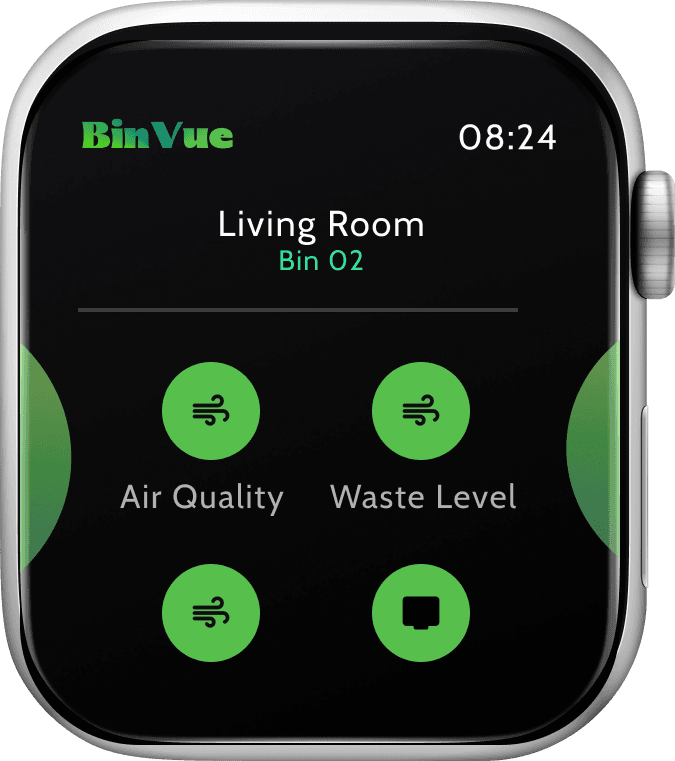
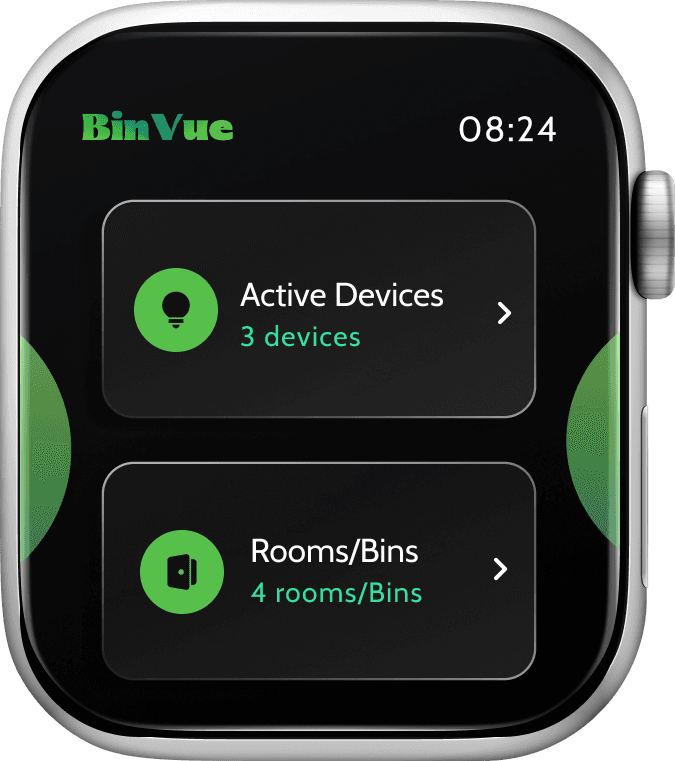
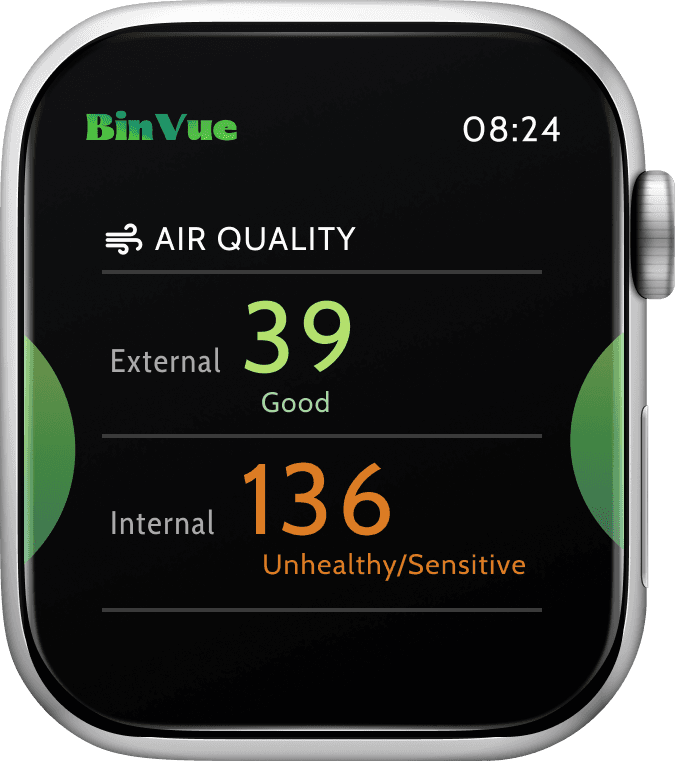
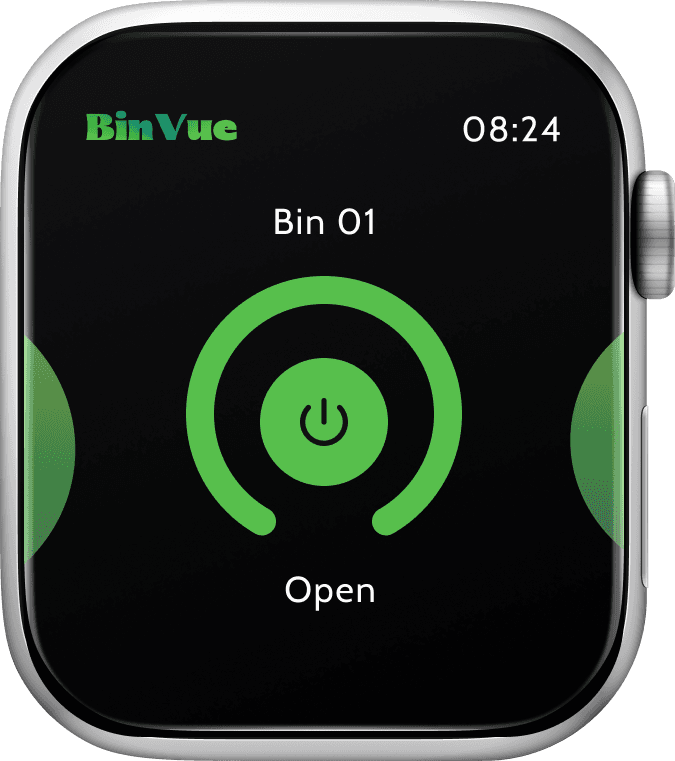
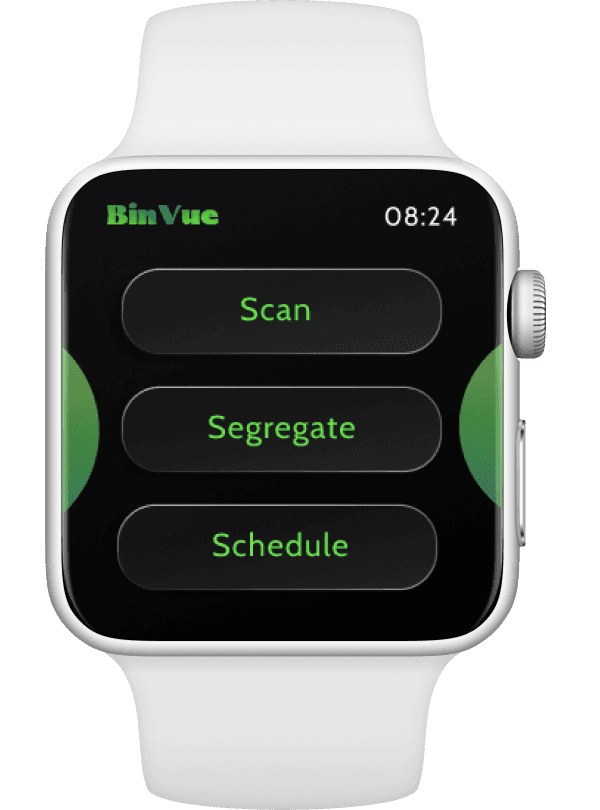
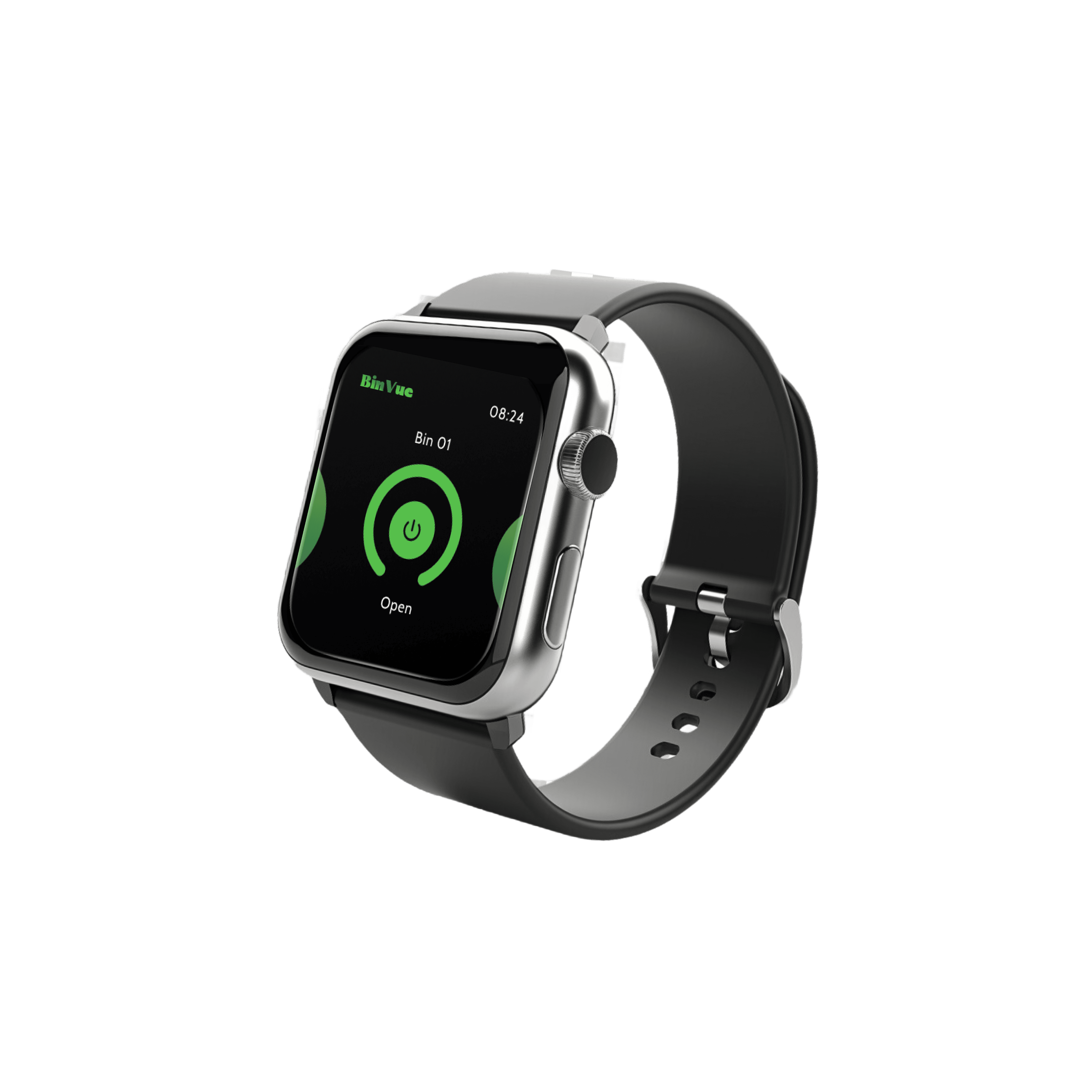
Hands free Lid Opening and Closing through Smartwatch.
Waste Tracking, Analytics and Metrics.
Remote Monitoring and integration with other devices for control.
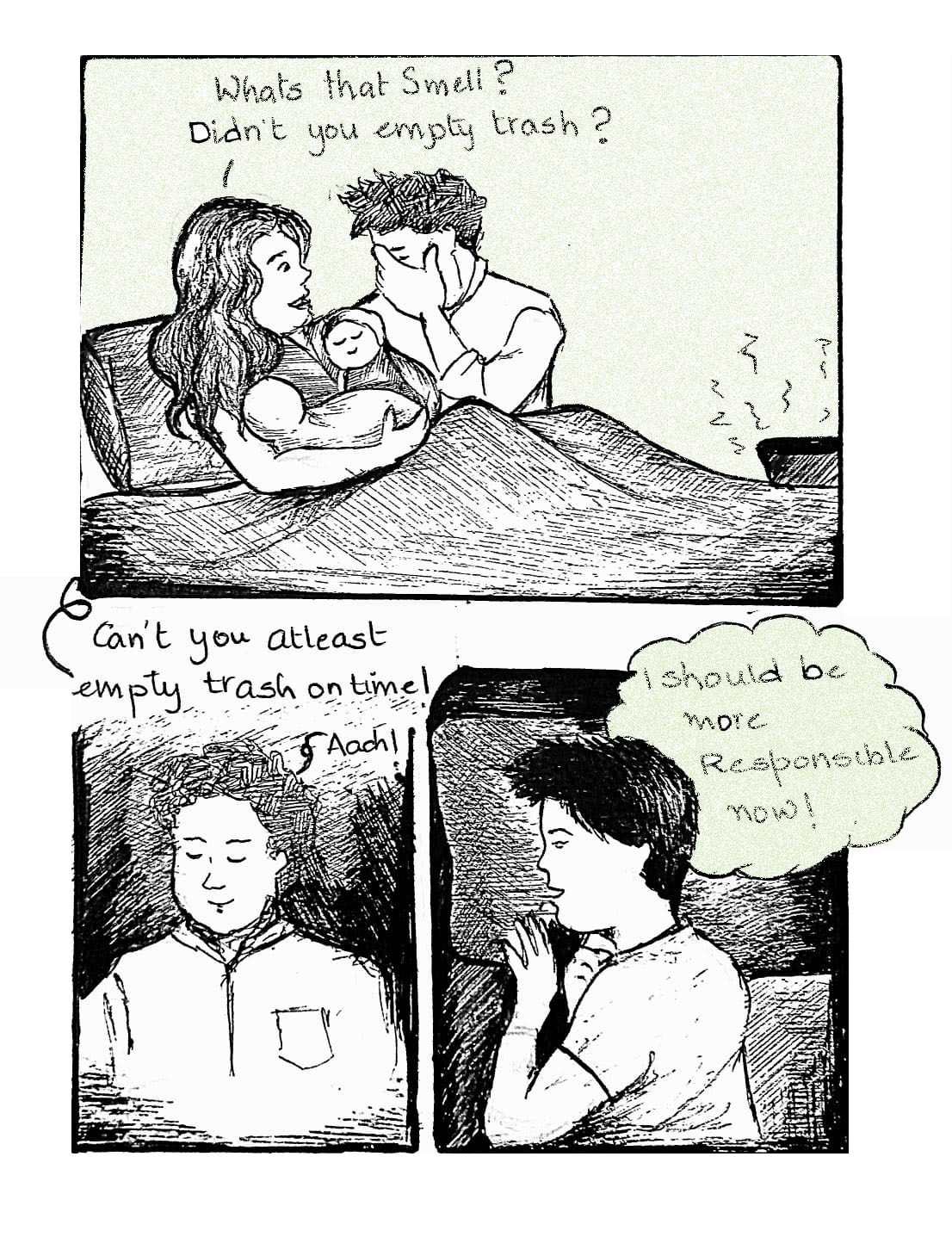
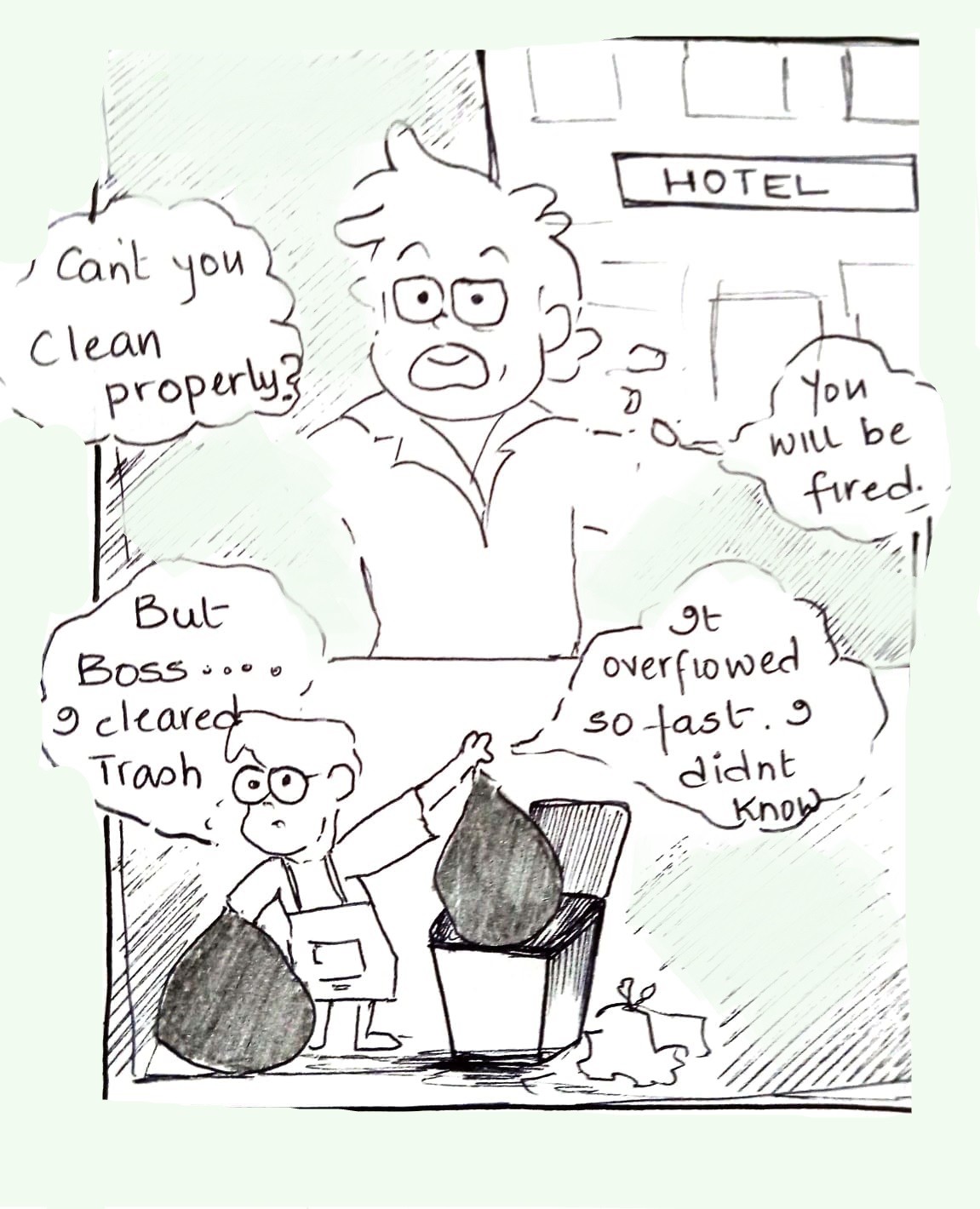
Story Board
1) How do you currently dispose of trash and recyclables?
2) What are your biggest pain points with your current waste management system?
3) How often do you take out the trash/recyclables?
4) Who typically takes out the trash/recyclables in your household?
5) How do you currently track when trash/recyclables need to be taken out?
6) What actions do you take when you forget to take out trash/recyclables?
7) How do you feel about overflowing trash cans?
8) Have you experienced any issues with pests/odors due to trash?
Concept Related Questions
1) Would you be interested in integrating waste management with your smart home system?
2) How comfortable are you with using mobile apps for waste management?
3) What features would you expect from a smart waste management system?
4) What do you think about the idea of smart trash can that tracks waste and sends reminders?
5) Would you find value in receiving notifications and reminders about your waste management?
6) What do you think is missing from current waste management solutions?
50+ Responses
20+ Questions
I conducted surveys and both online and offline interviews to understand the user and gain their insights on the app.
User Interview
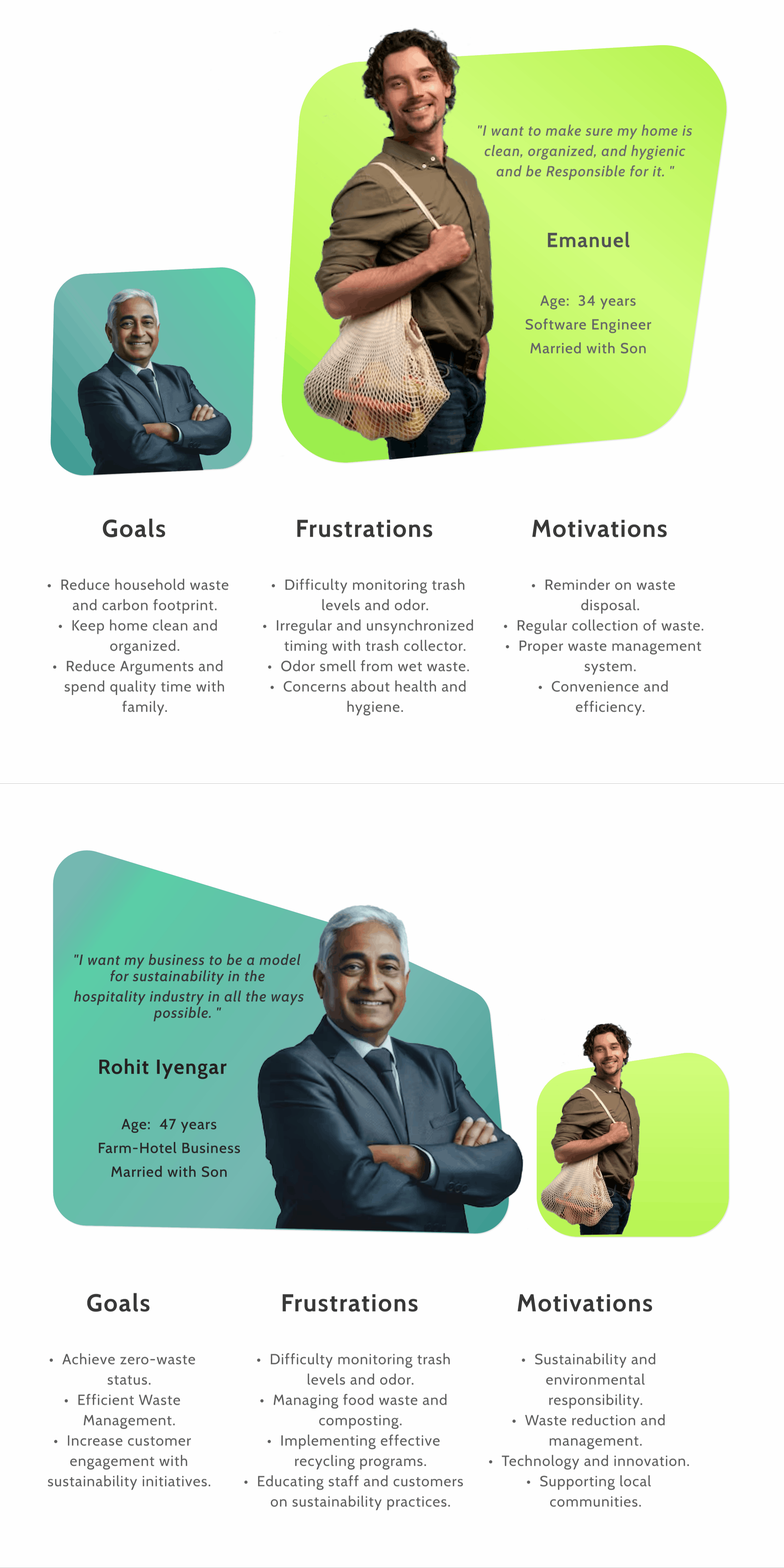
User Persona can only be Realistic, not real not necessarily even accurate.
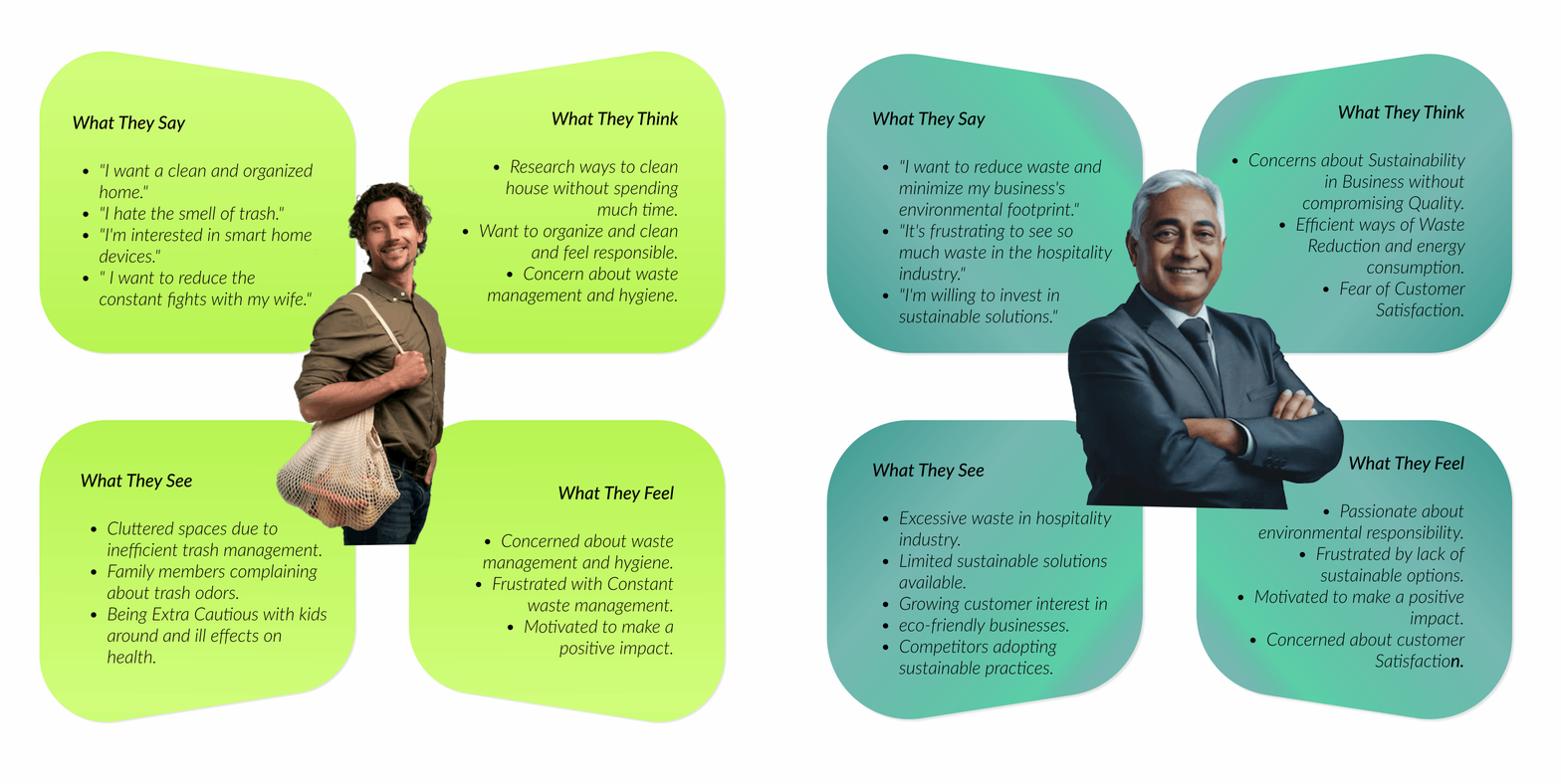
Empathy Mapping
How can we leverage Technology to optimize everyday chores and promote sustainability?
DESIGN
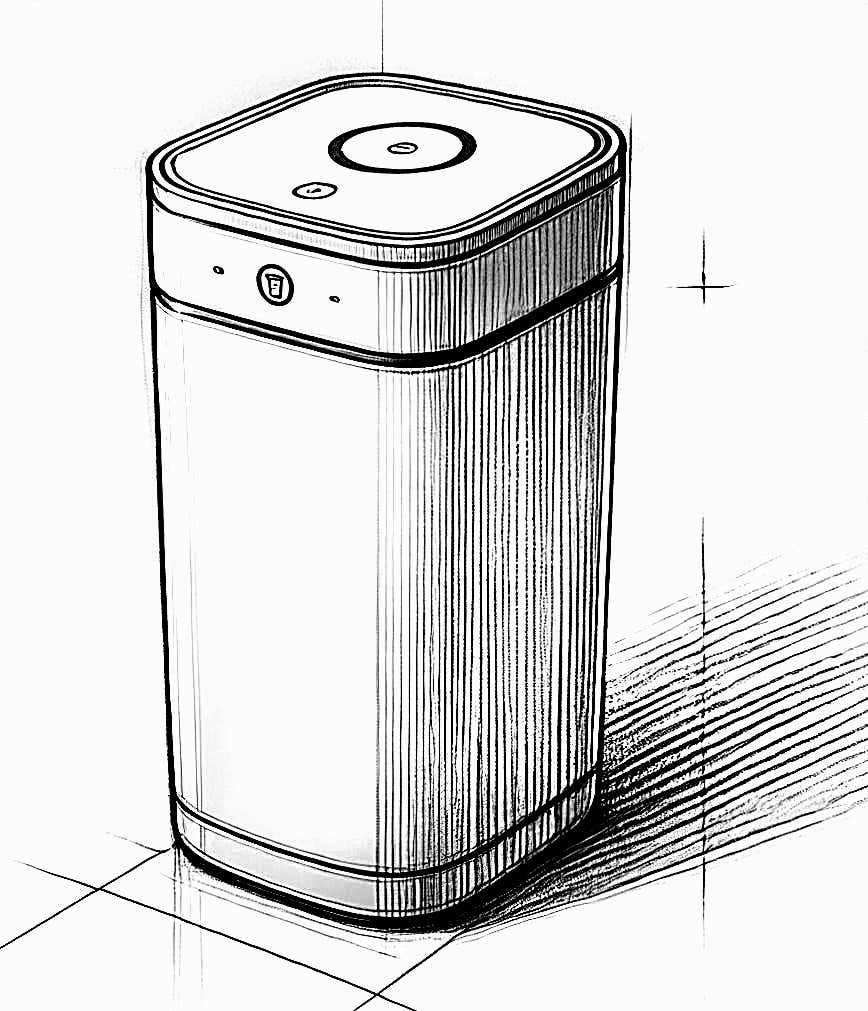
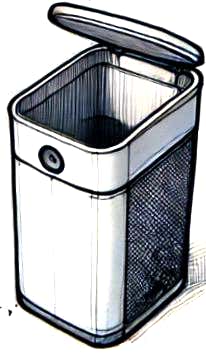
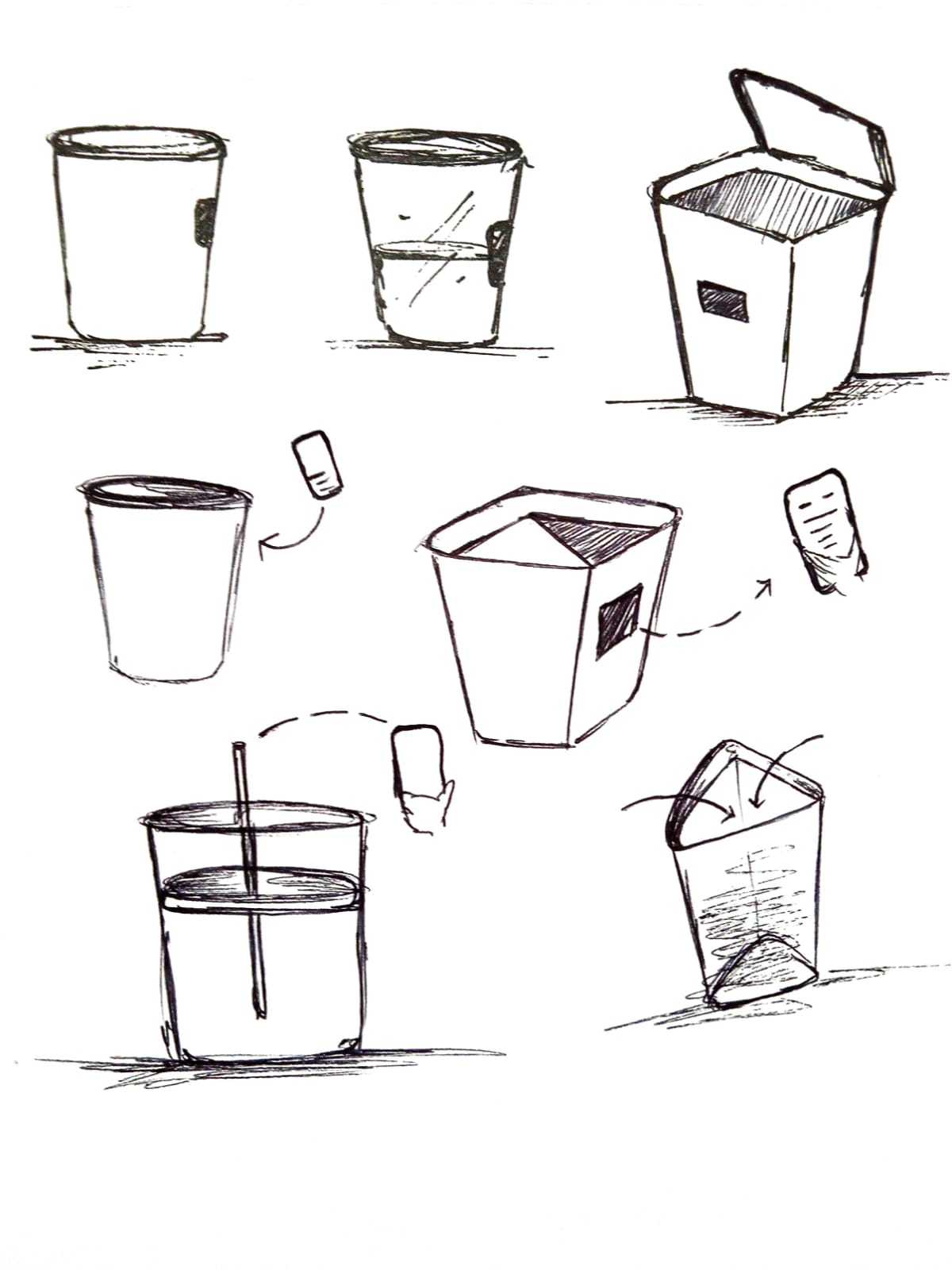
Designing for Behavior Change
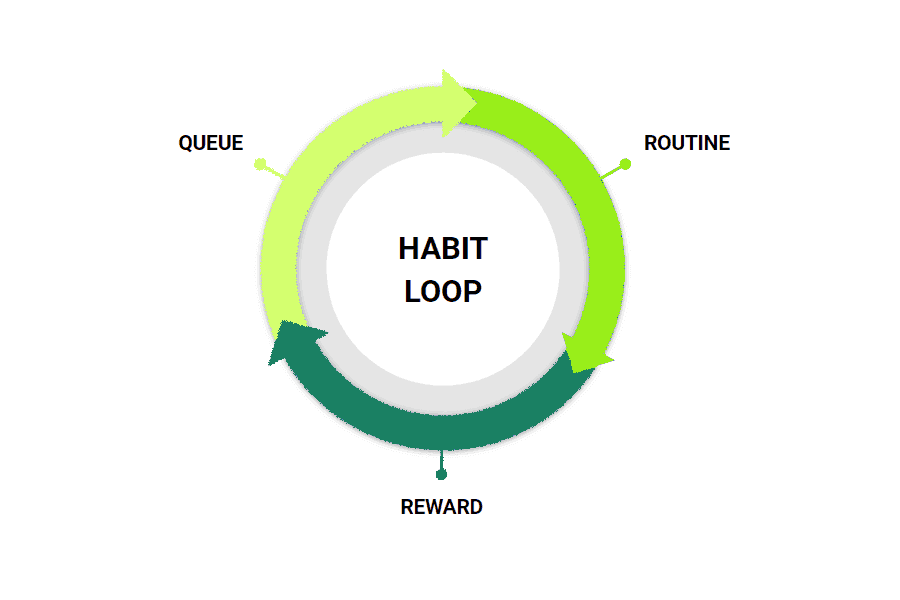
The approach is to leverage technology to promote positive behavioral shifts and promoting sustainable lifestyle. Habit formation and breakage is a significant psychological result and need to be encountered in phases

Habit loop
When people encounter familiar situations, they are automatically triggered to repeat the same behavior they used in the past.
Implementation intentions
Using if-then plans can be an effective way to form new habits or break unwanted ones. However, forgetfulness and lack of strong intention can be a challenge.
Perceived behavioral control
This is a person's confidence in their ability to perform a behavior.
Rewarding yourself
Rewarding yourself for breaking a bad habit can encourage you to continue doing so.
REMINDER
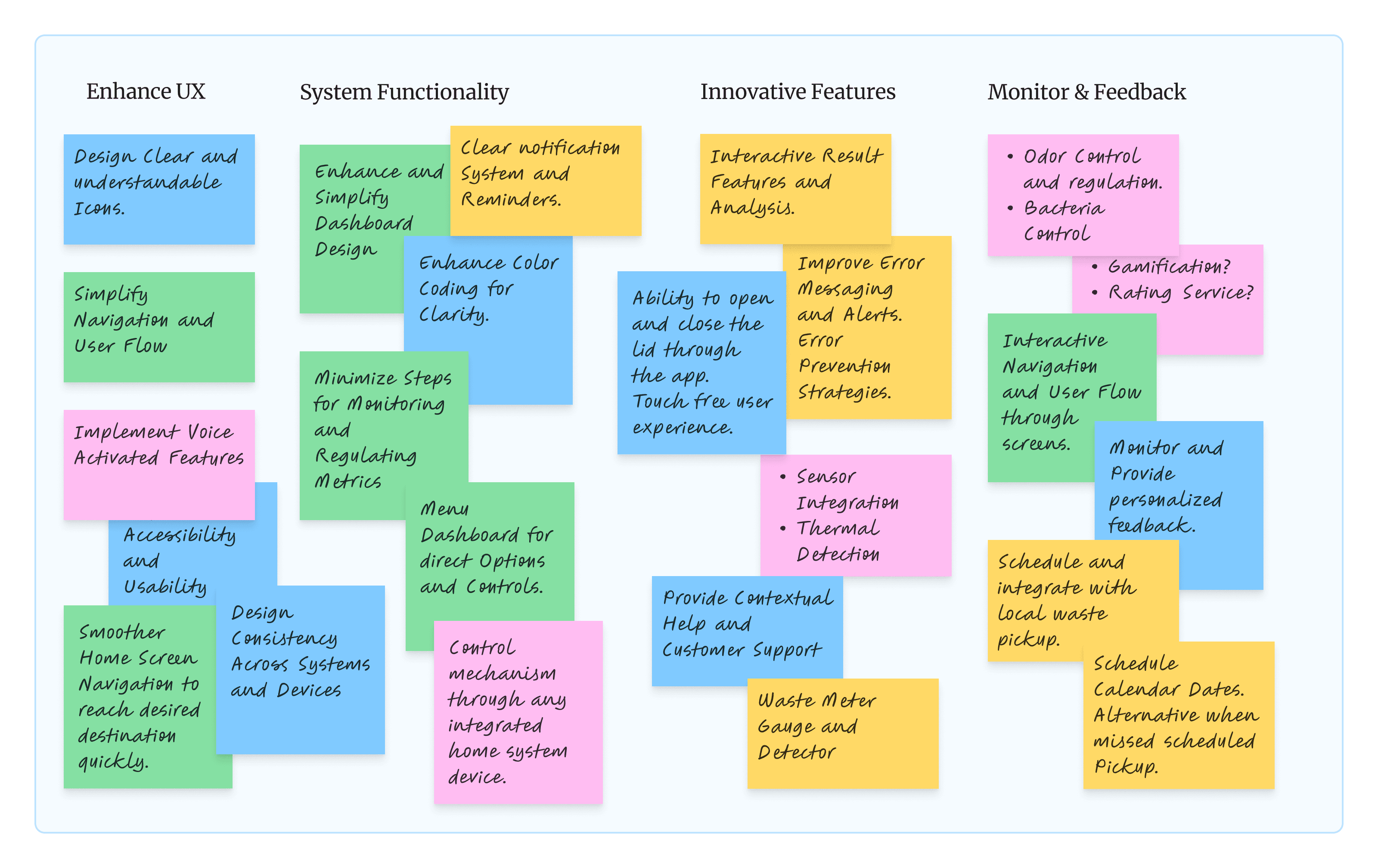
IDEATE
Why Smartwatch and Mobile?
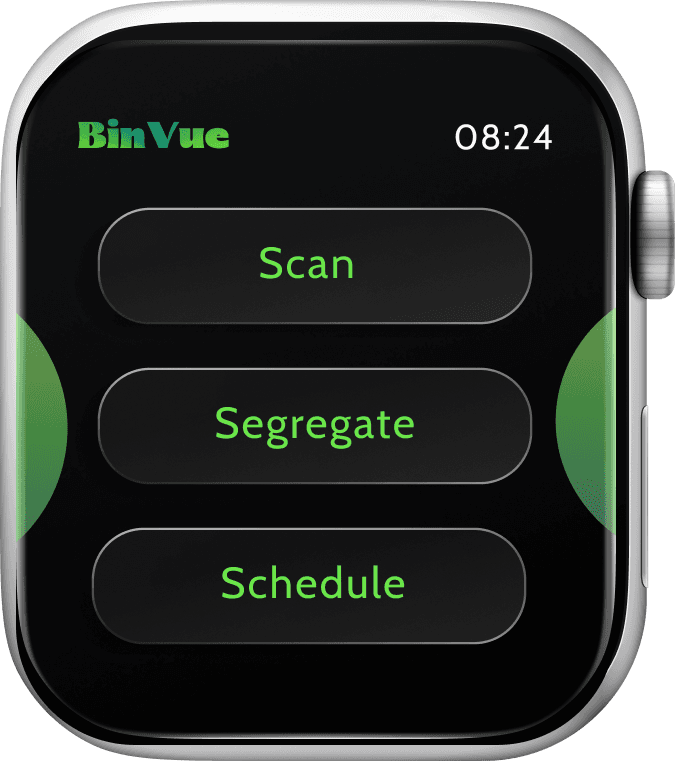
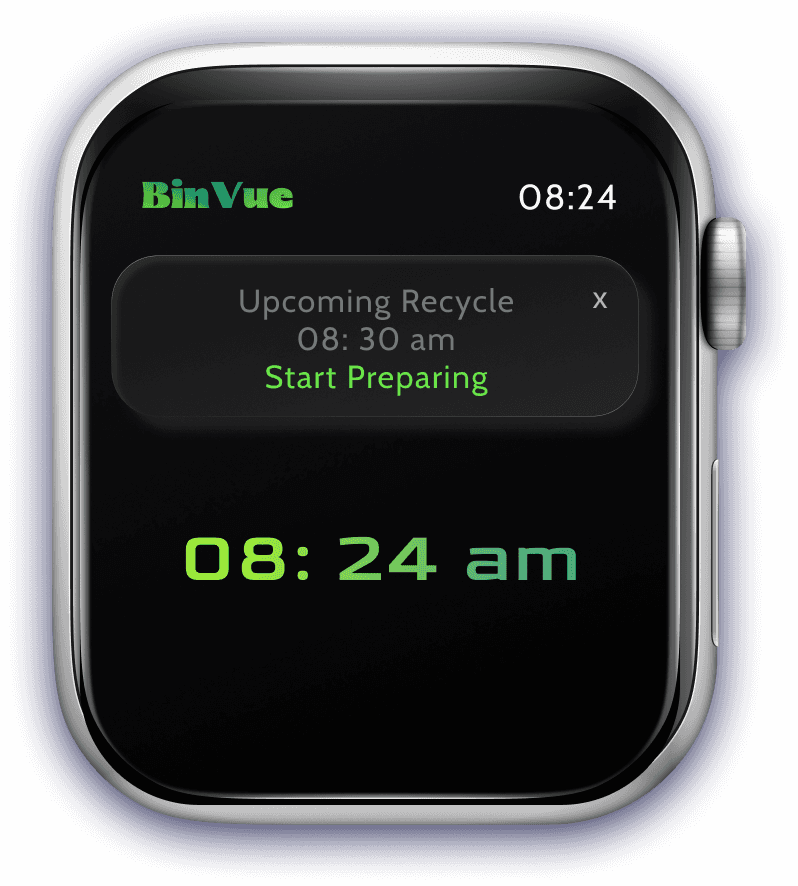
From our primary research we understood that the major habit is formed by users on the go, with busy lifestyles. To provide optimum usage and efficiency, a native mobile app and smart watch for custom quick reminders was found best. Our target demographic is tech savvy. Using smart watch , would optimize and provide convenient reminders.
TARGET AUDIENCE
Homeowners, Pg Owners, Hotel Owners, Restaurants, Cafes, Business interested in Sustainability, Environmentalists, Busy Professionals, Eco friendly users.
APP USAGE
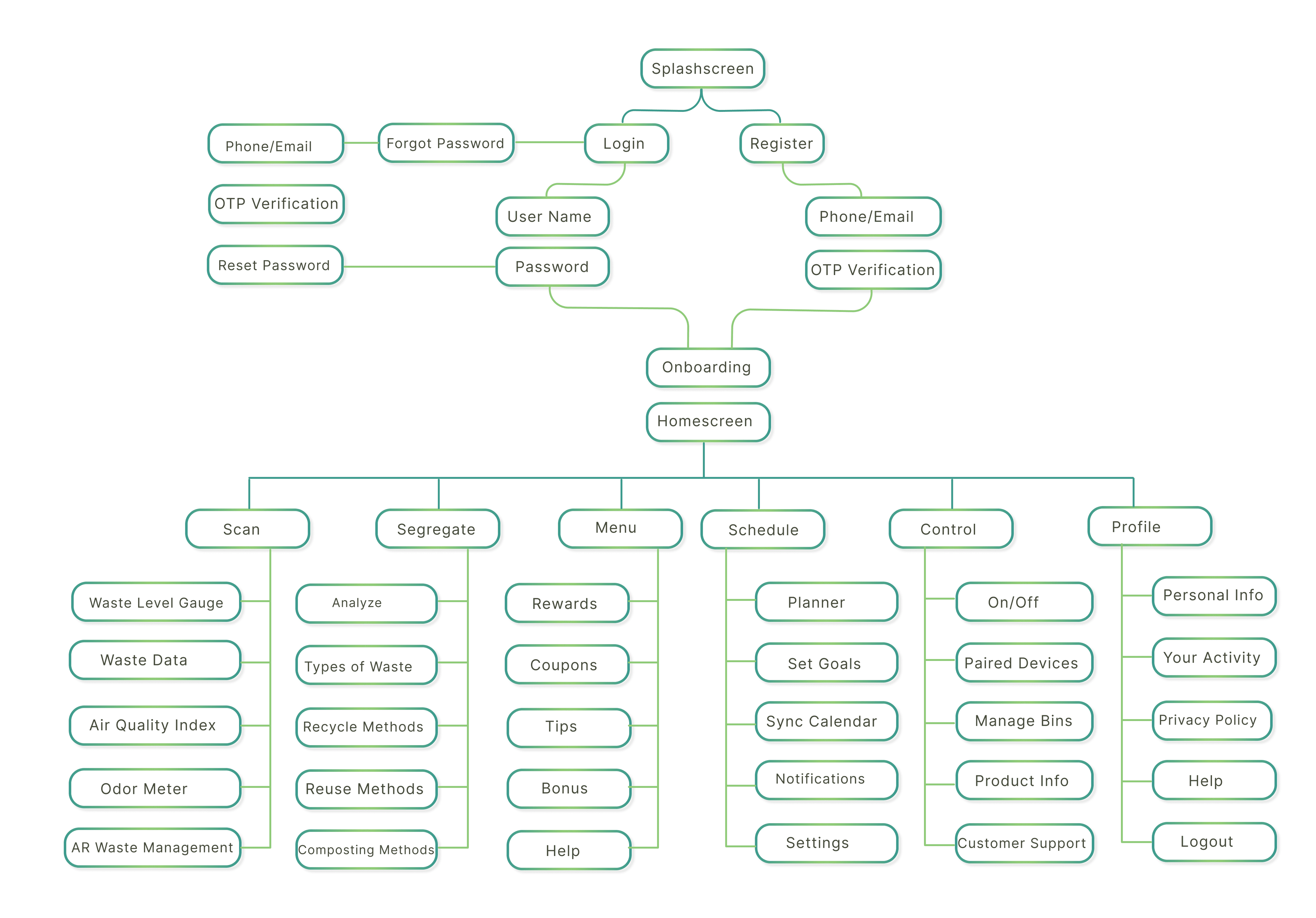
INFORMATION ARCHITECTURE
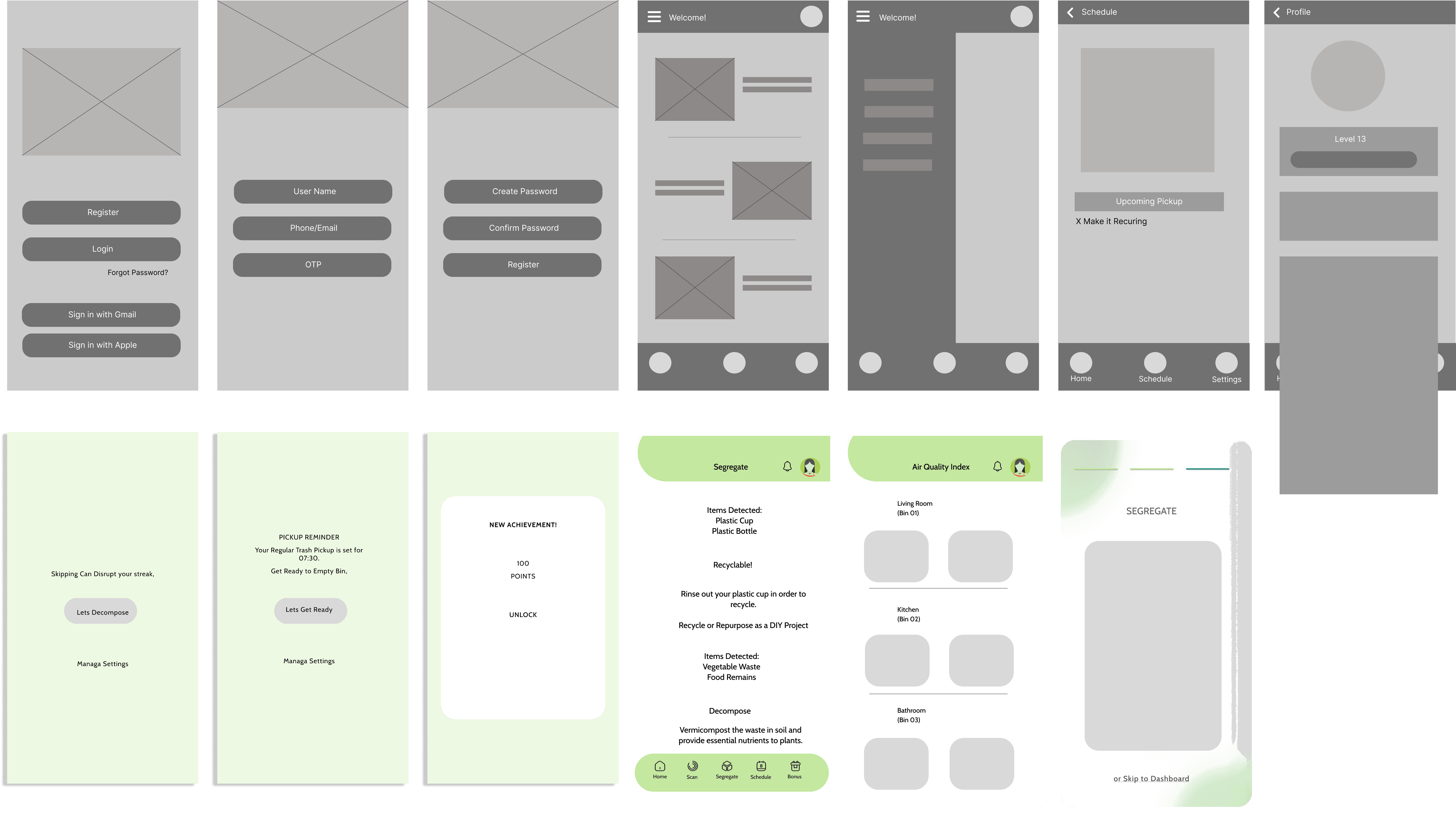
LOW FIDELITY WIREFRAMES
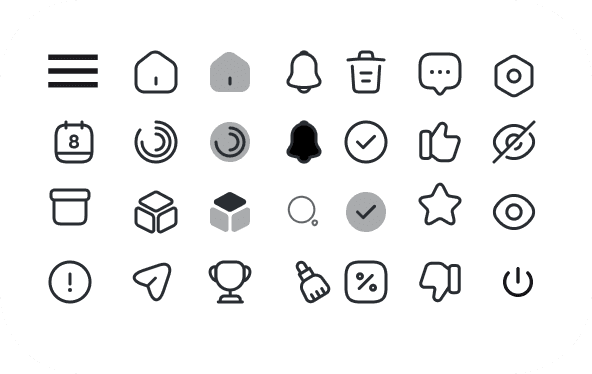
ICONS
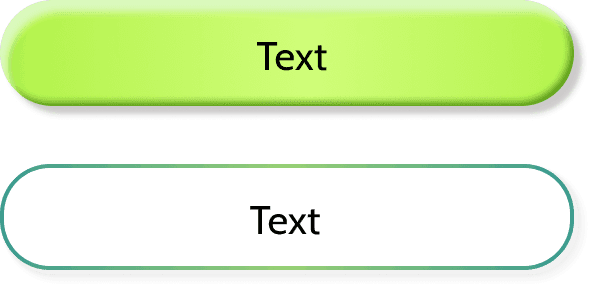
Primary Button
Secondary Button

Thankyou for Staying around till the End!
DESIGN SYSTEM
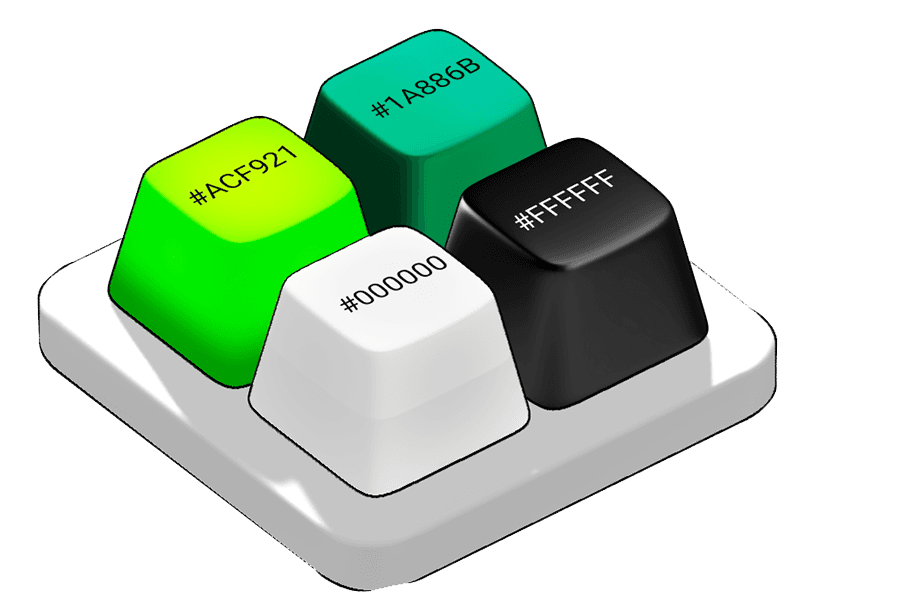
Shades of green were primarily used to evoke a sense of freshness and blend well with theme of sustainability
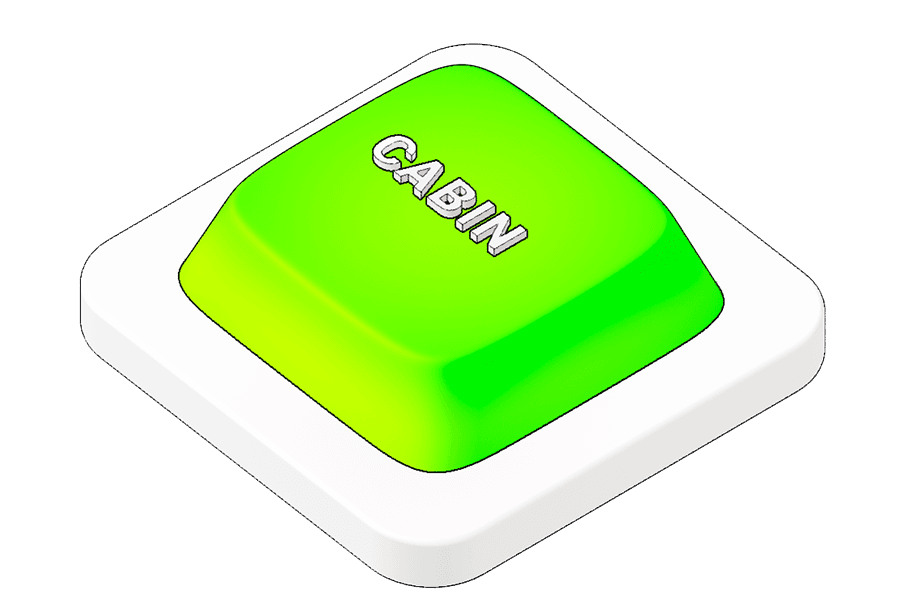
Cabin was used for simplicity and readability while using various devices.
a
A
Skip
NEXT
SCAN
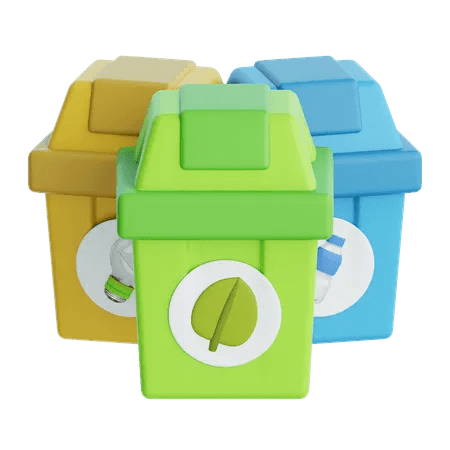
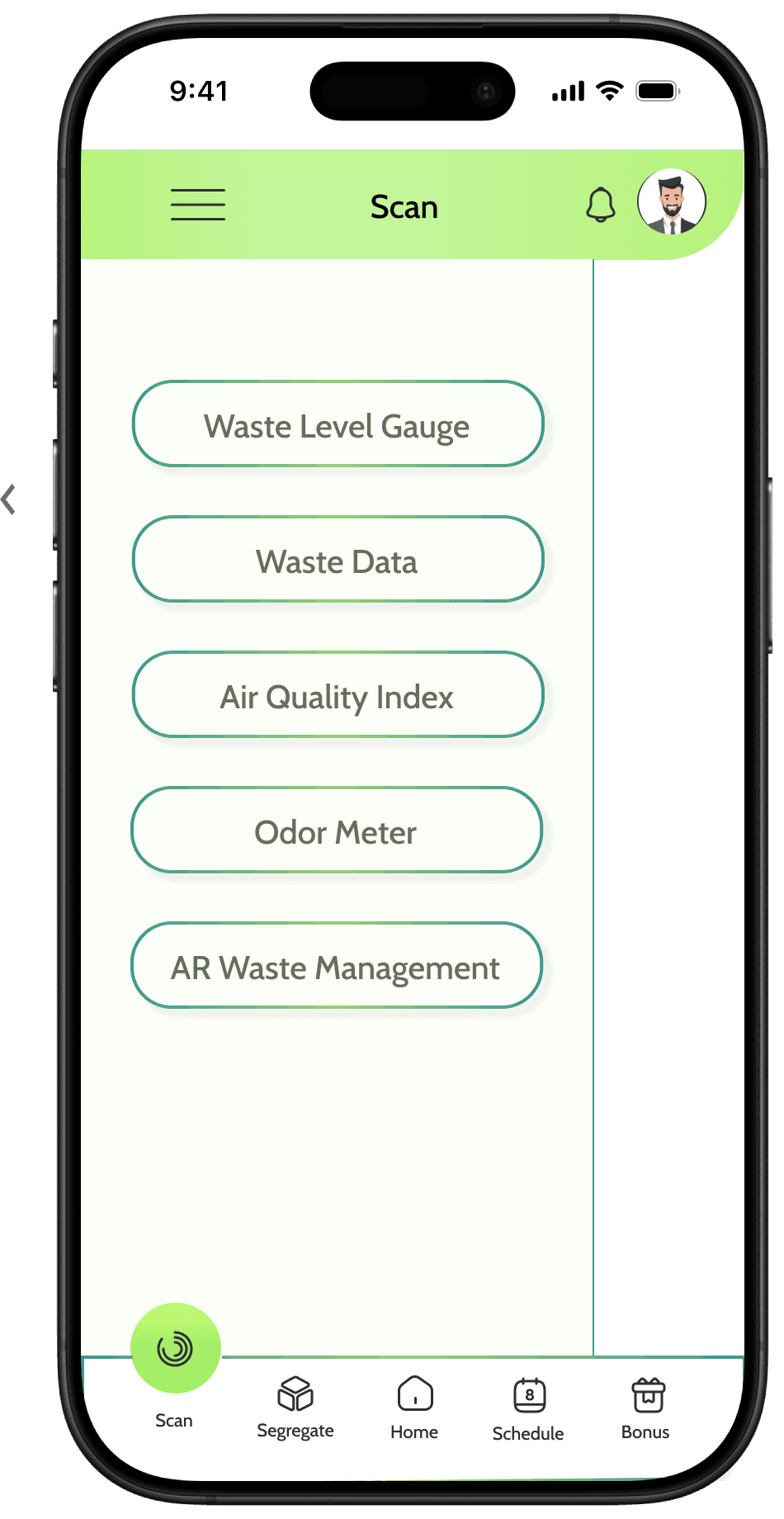
Scan Waste Content to make informed and timely decisions.

Skip
NEXT
SEGREGATE
Segregate Waste Content efficiently with collected Data.
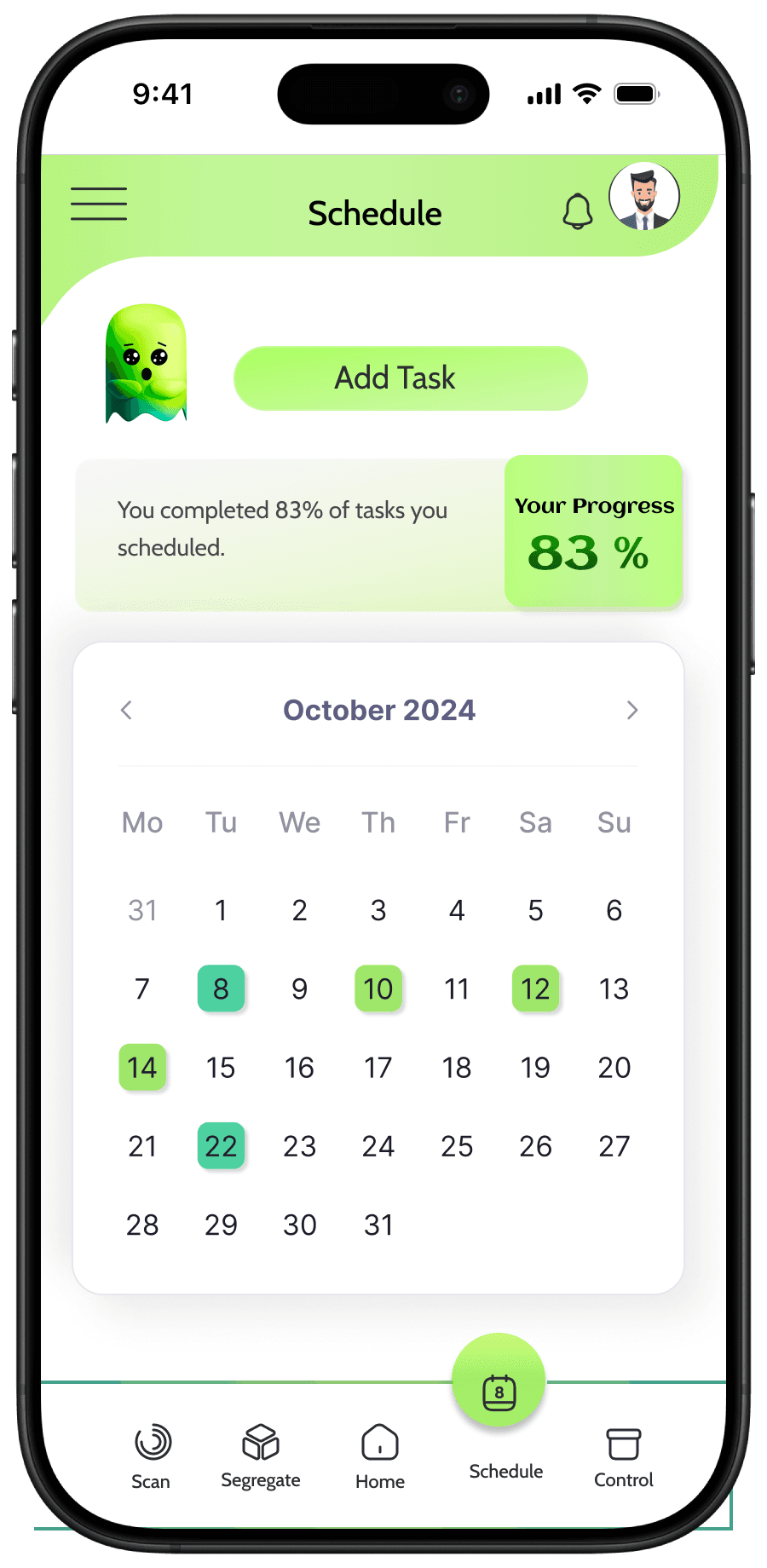
Schedule Waste Pickups at your convenience.
Skip
NEXT
SCHEDULE
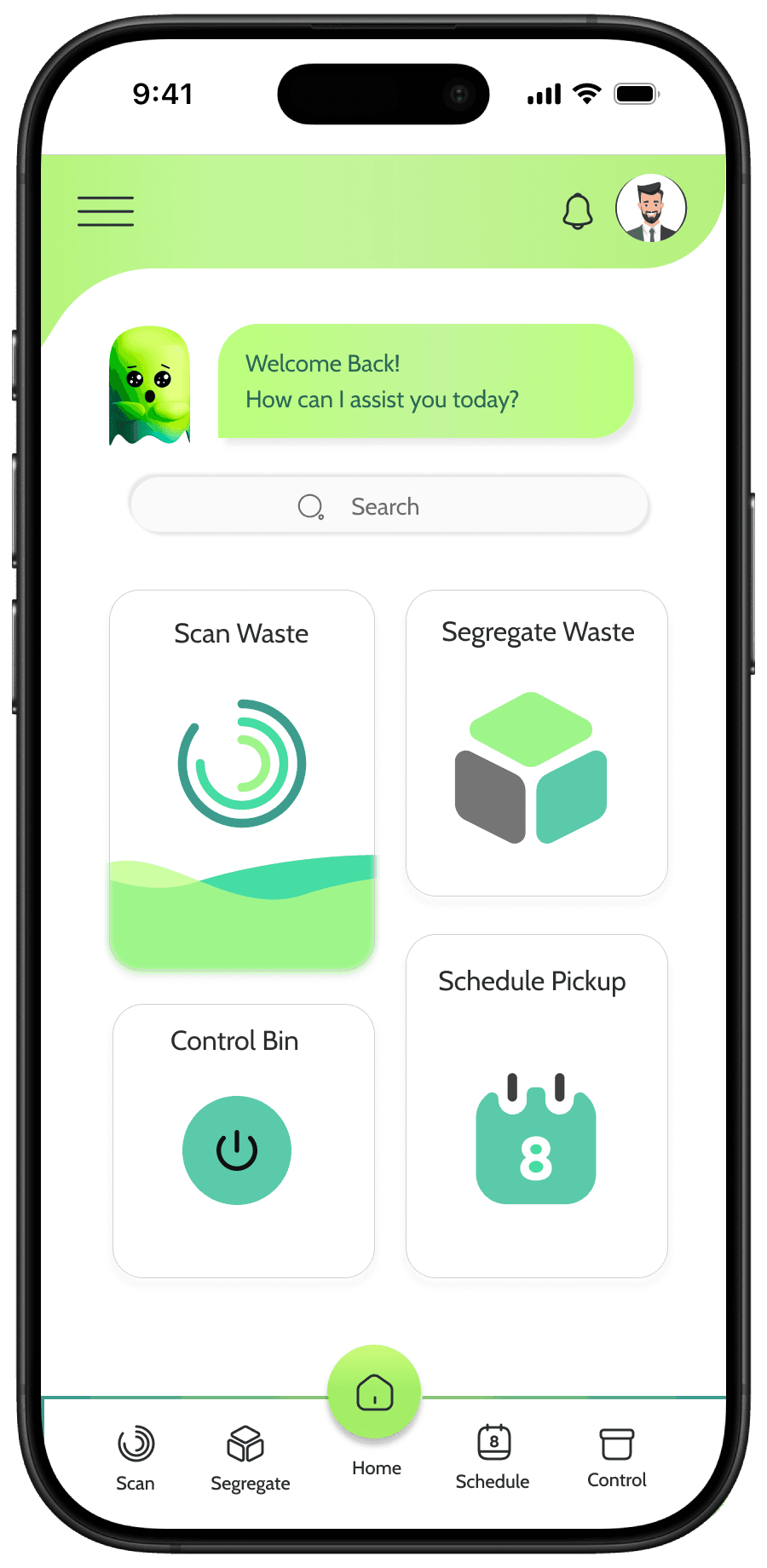
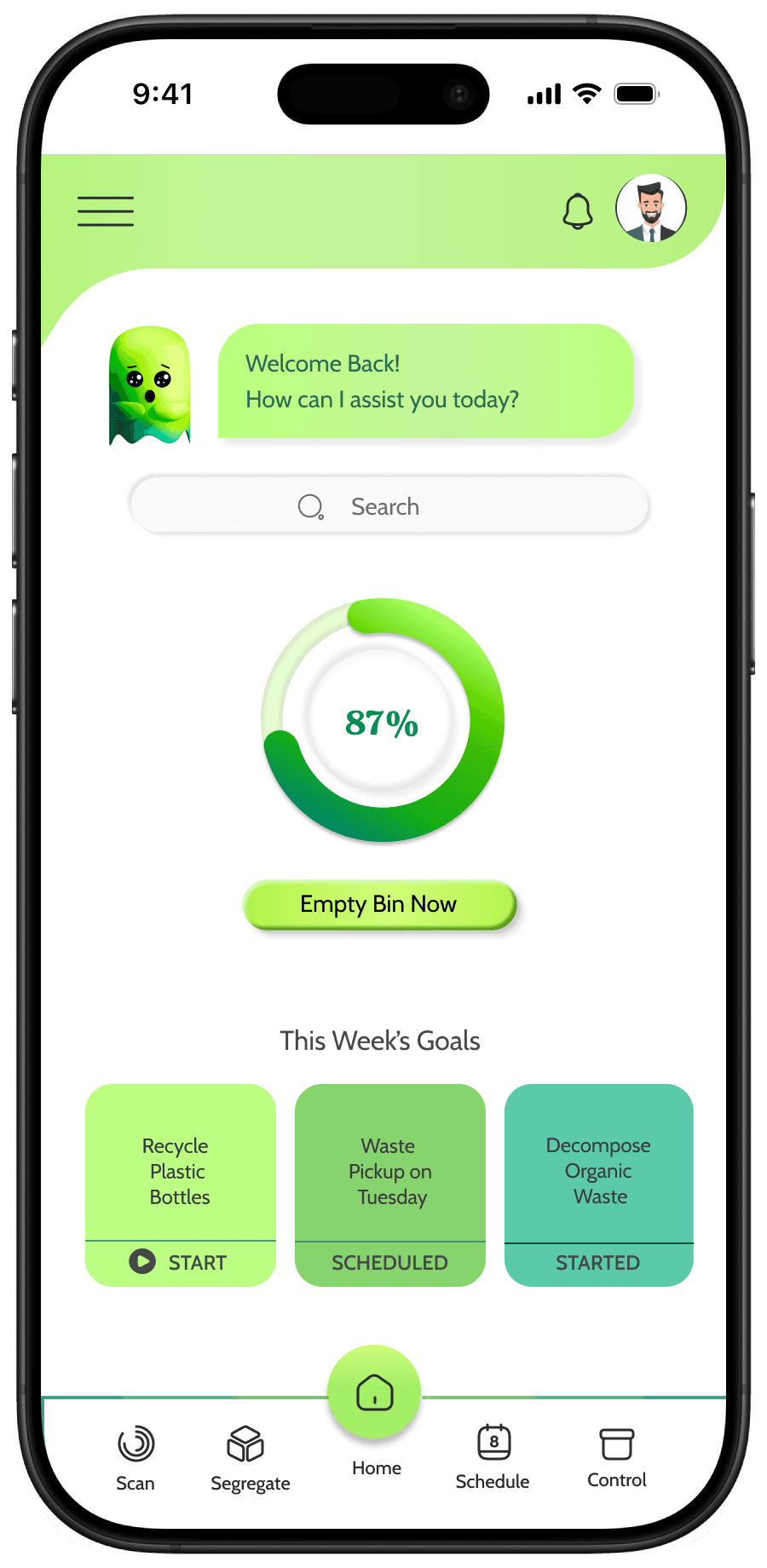
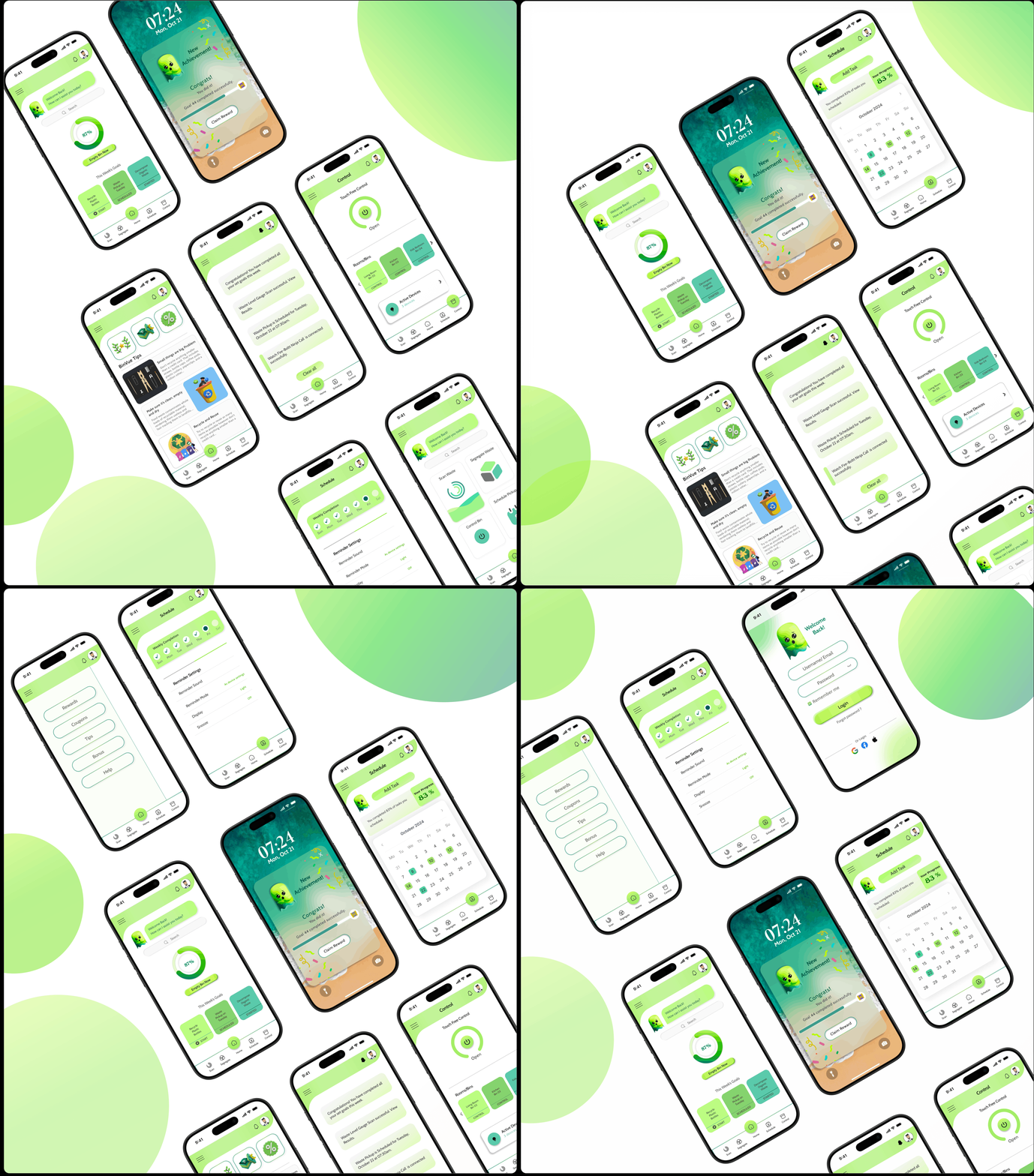
Home Screen
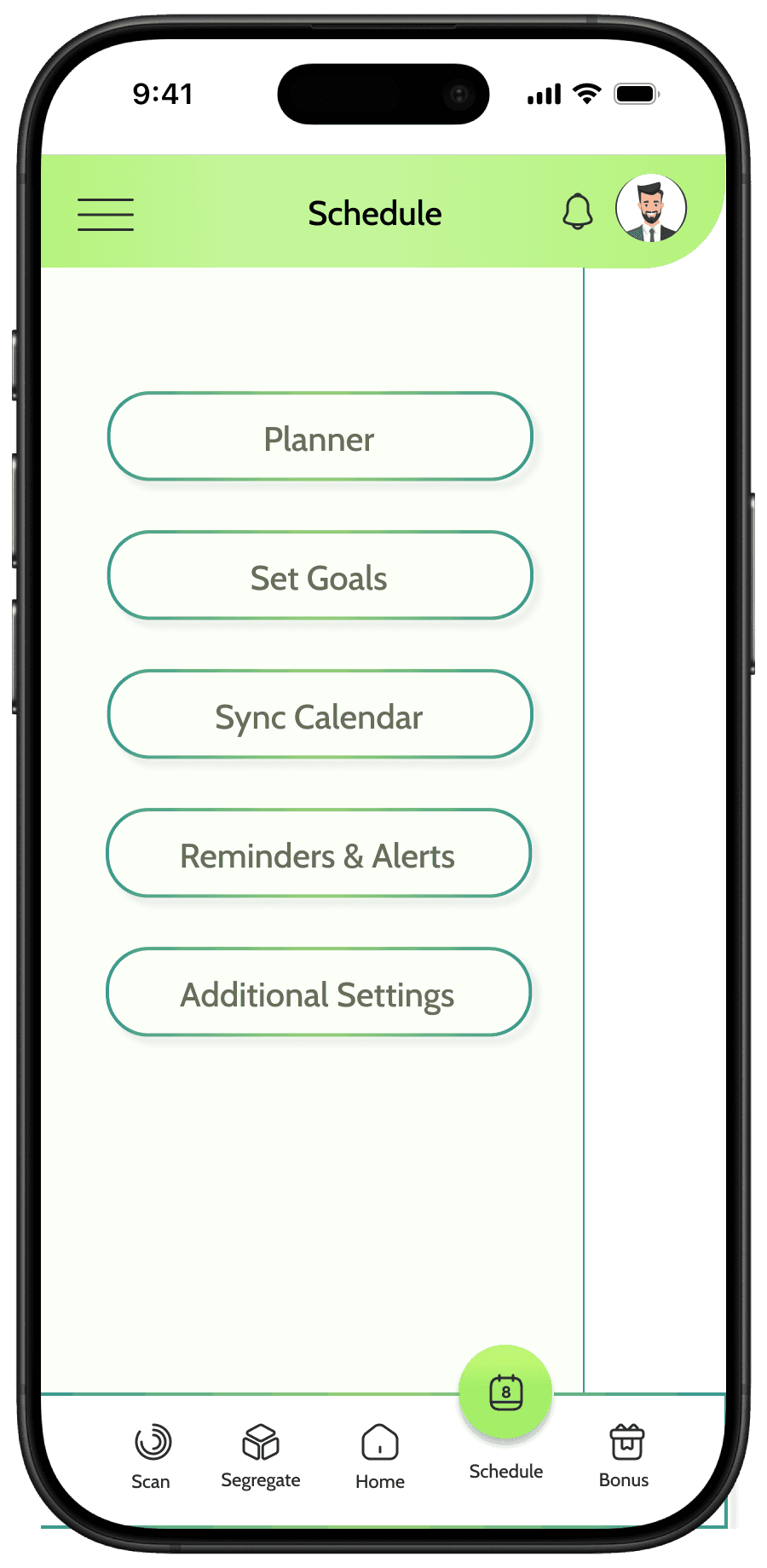
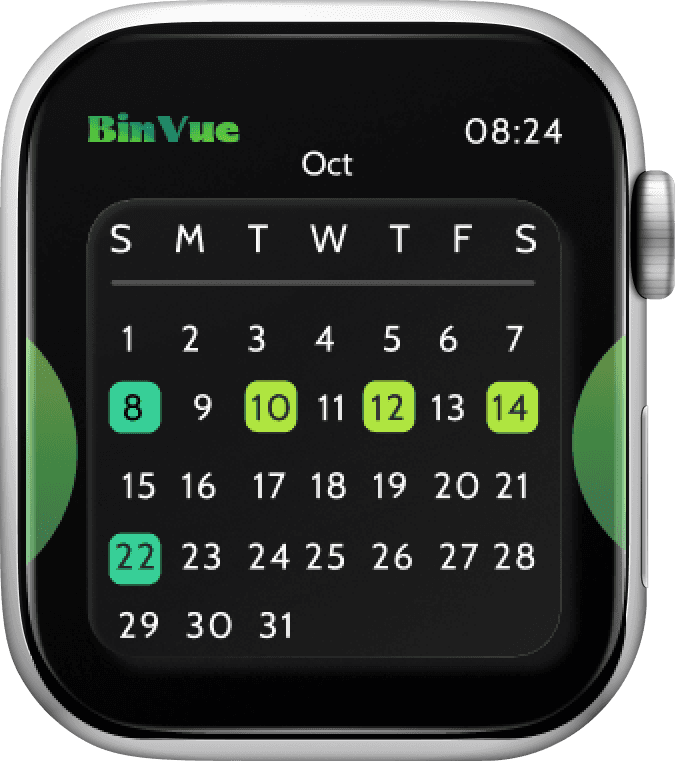
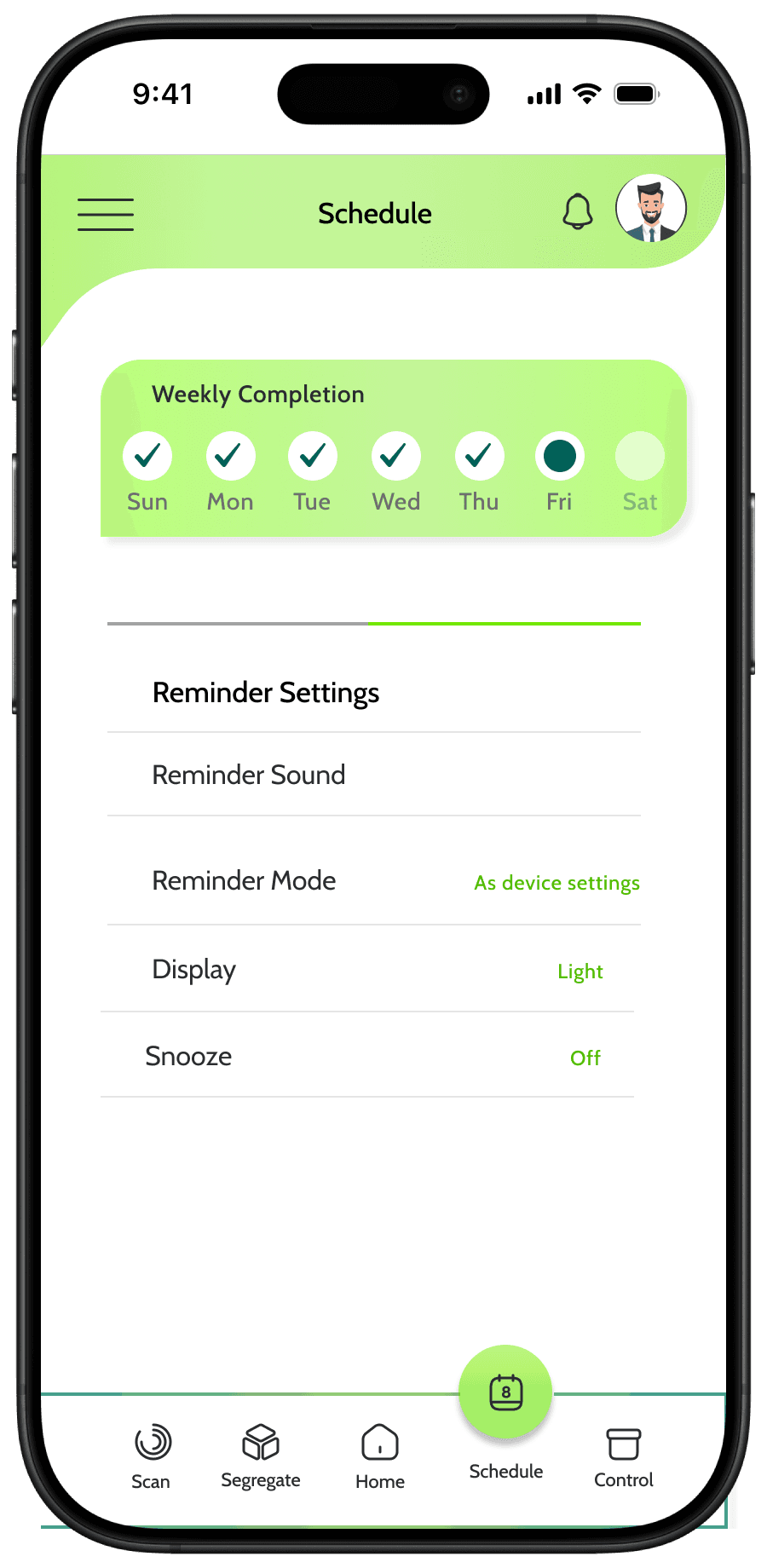
Schedule Pickups and Reminders
Progress Trackers to Nudge positive actions.
Flexible and user friendly scheduling accommodating various needs. Additional settings to add preparatory reminders.
HIGH FIDELITY PROTOTYPES
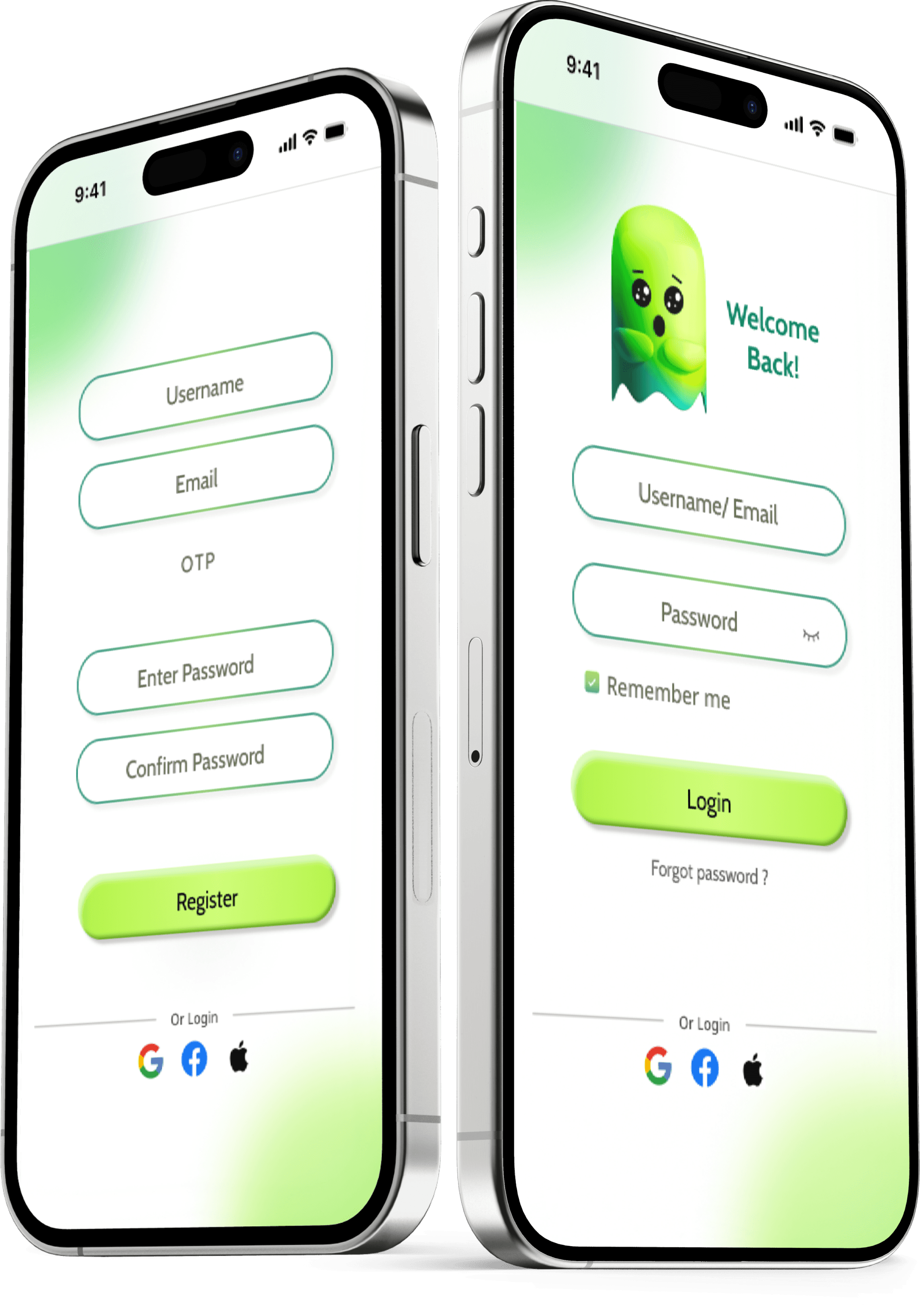
Onboarding Screen
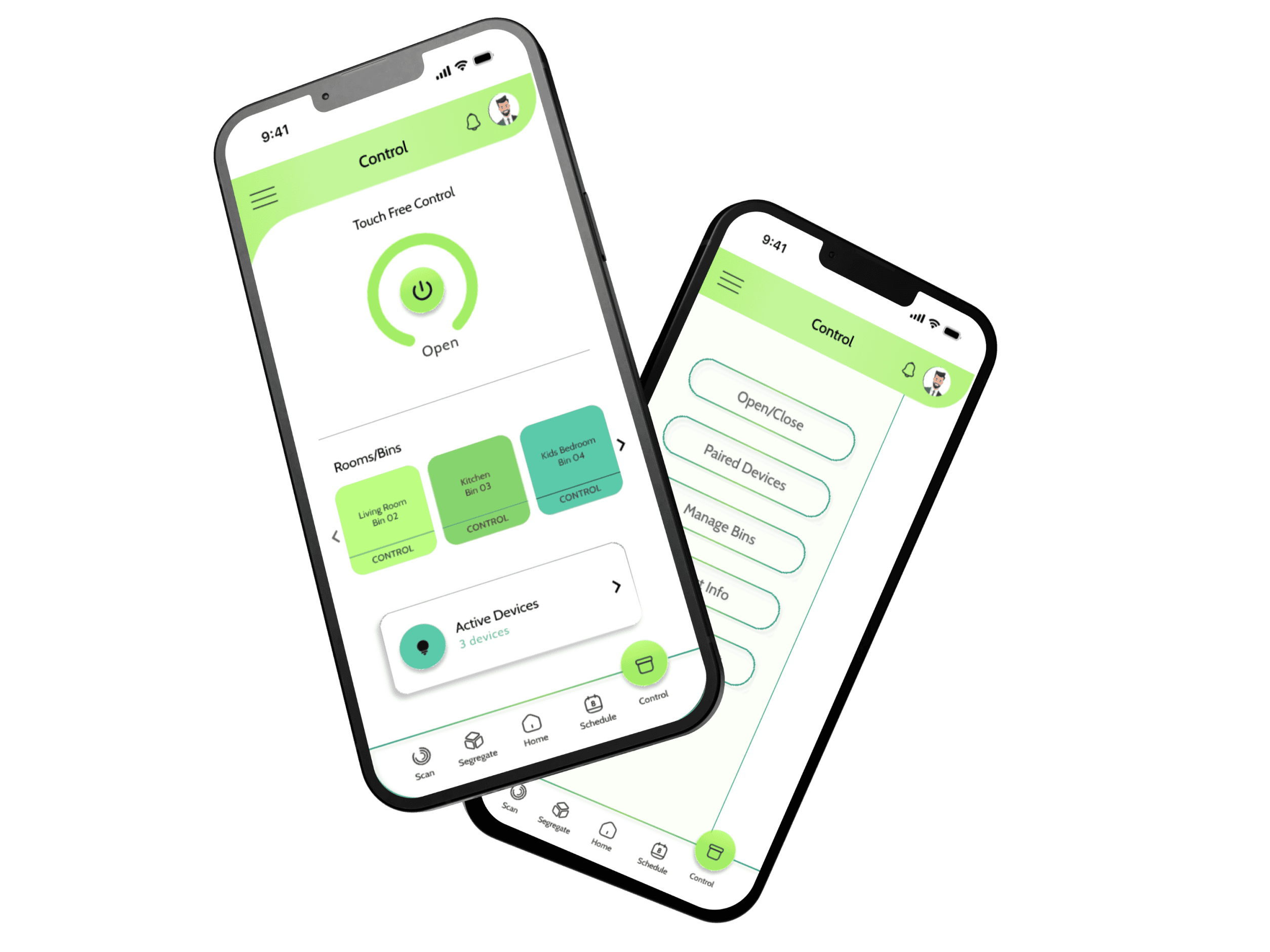
Bin Control
Enable remote monitoring, maintenance for touch free usage of Bin.
SCAN WASTE
Regular 12-14
Medium 14-16
Bold 20-24


80% Full
60% Full
40% Full
20% Full
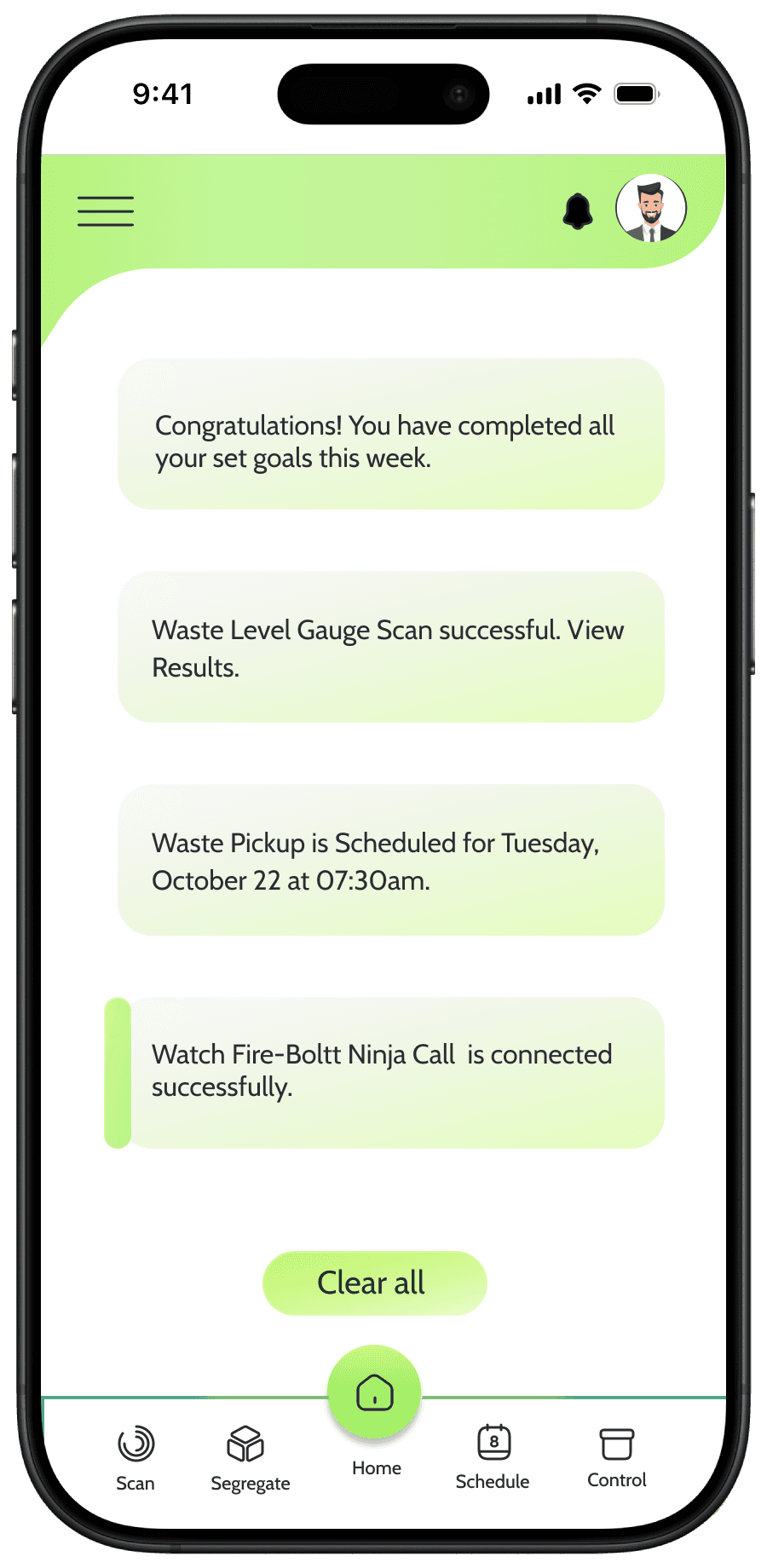
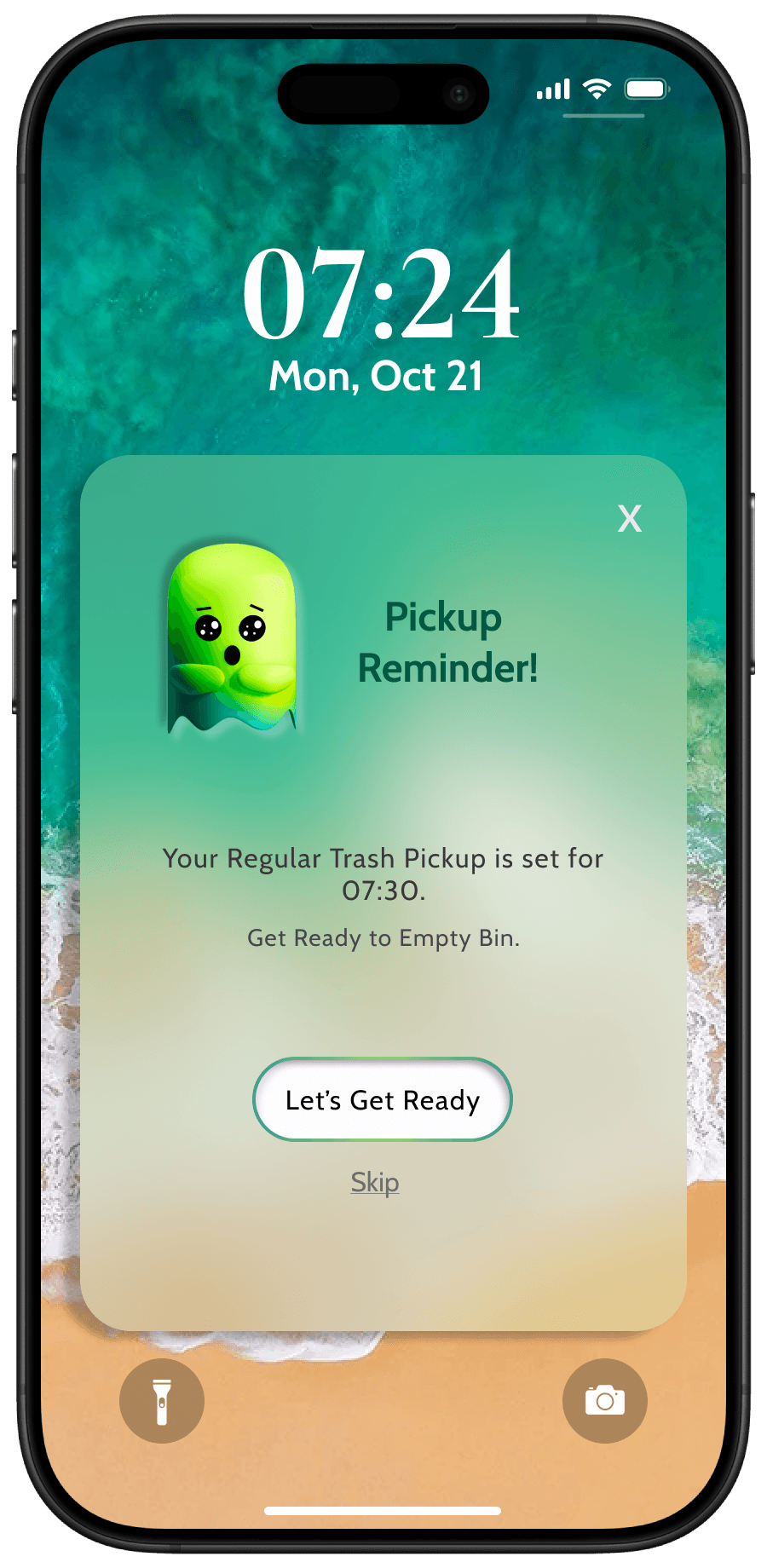
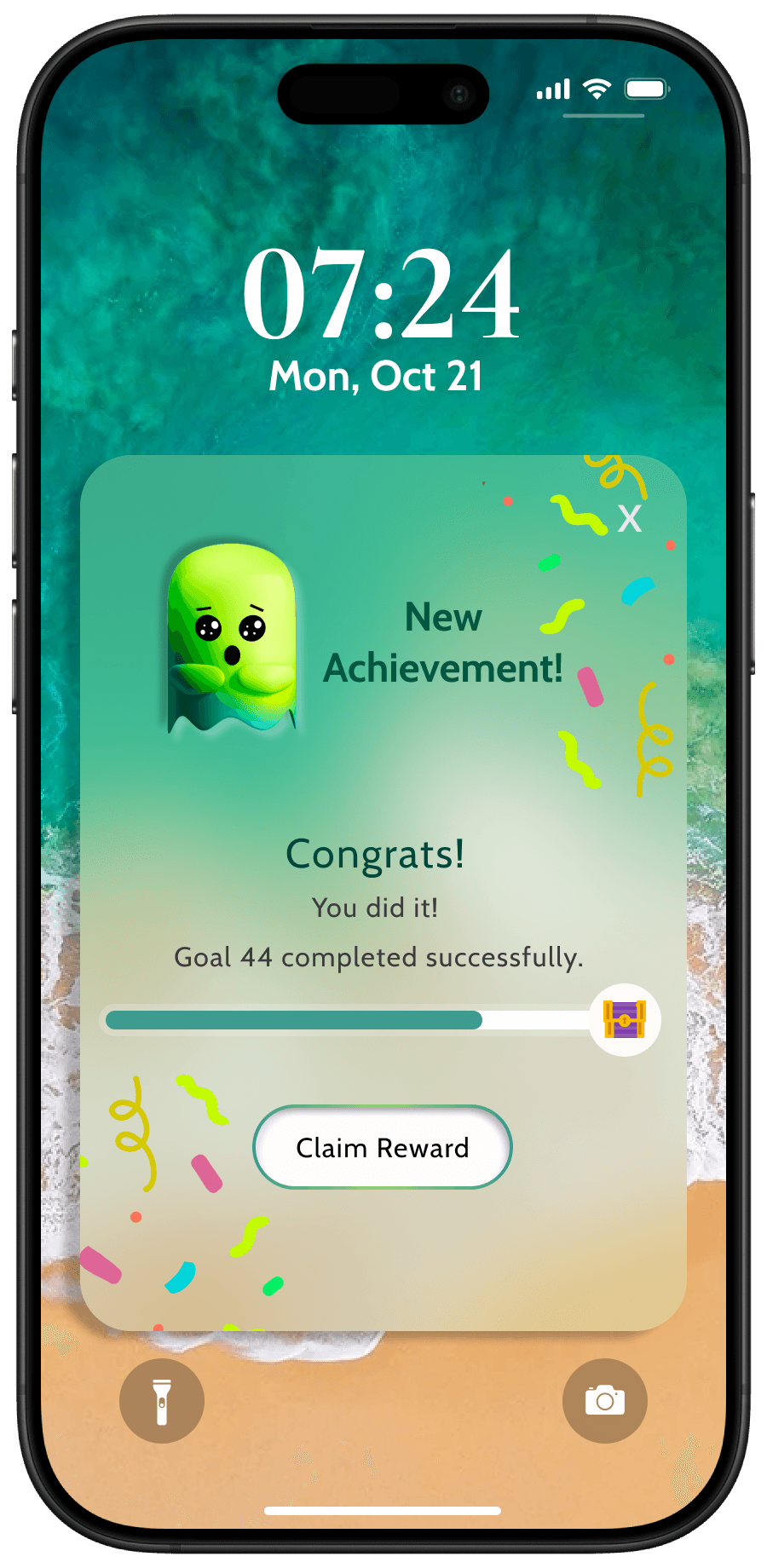
Notifications and Reminders
Customizable and automated notifications and reminders regarding overflow alerts, maintenance, scheduled pickups, and more.
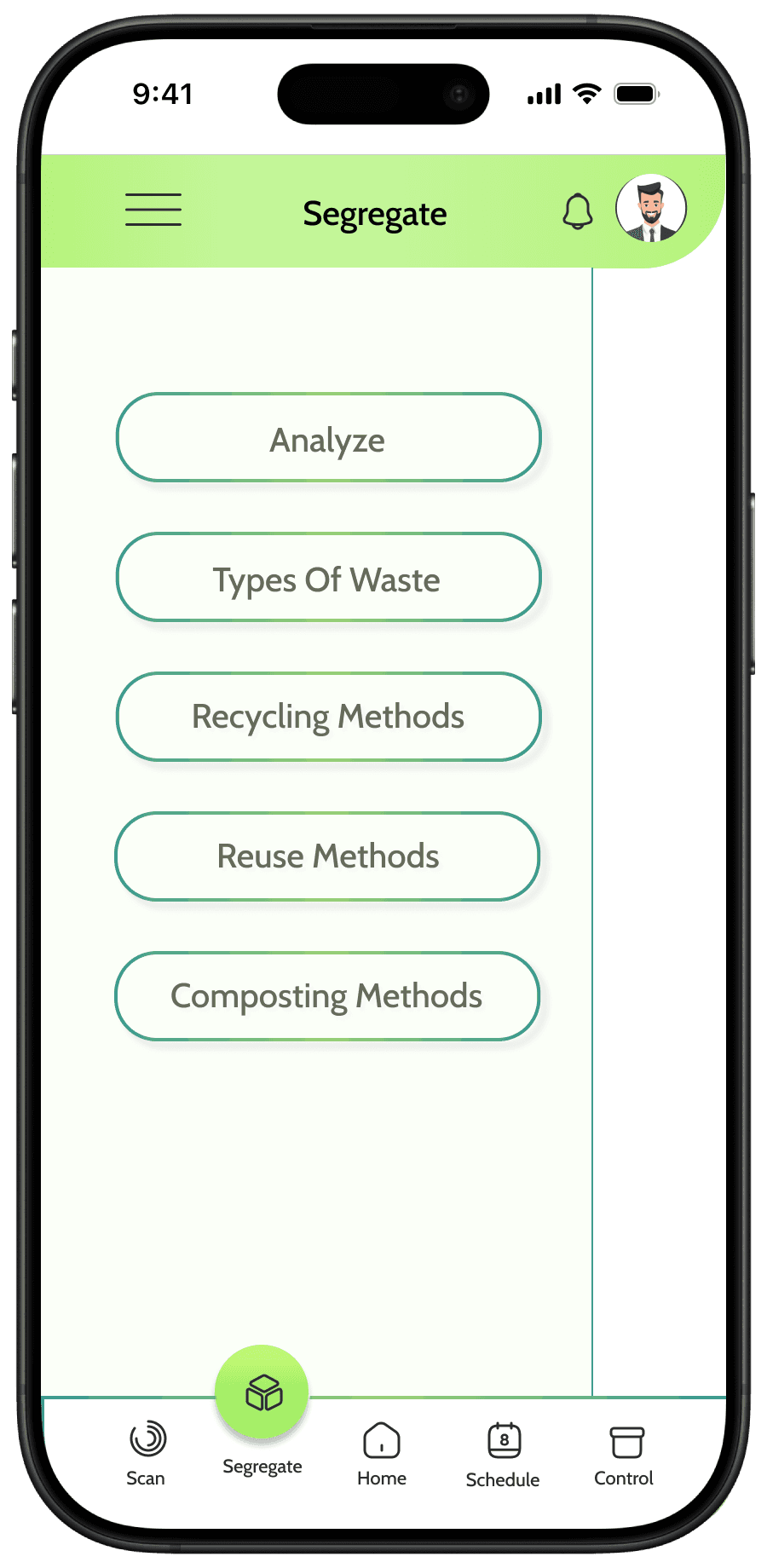
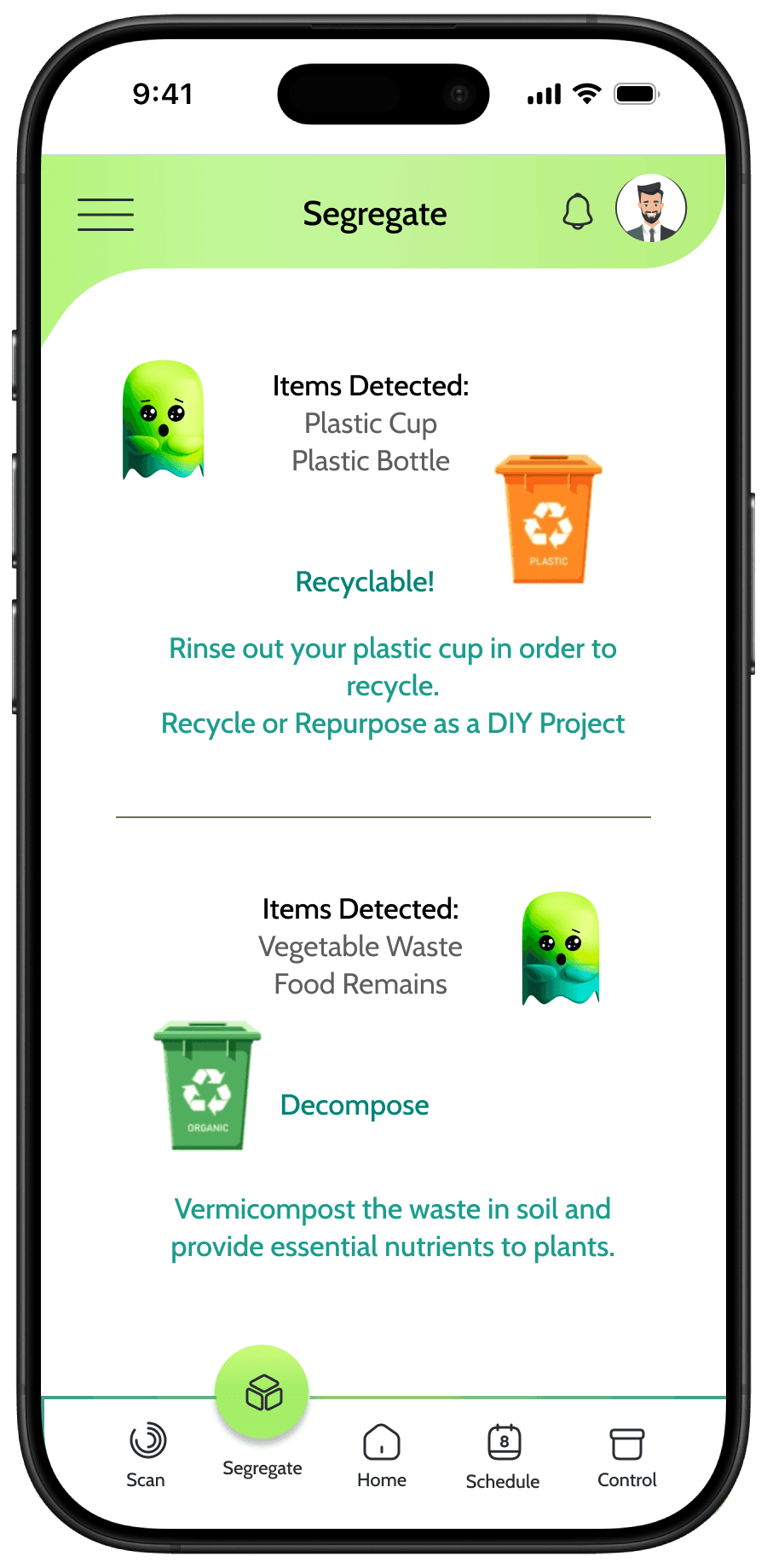
SEGREGATE WASTE
Provide insights to make data driven informed decisions regarding their waste. Integrated with Reward system to promote sustainable actions.
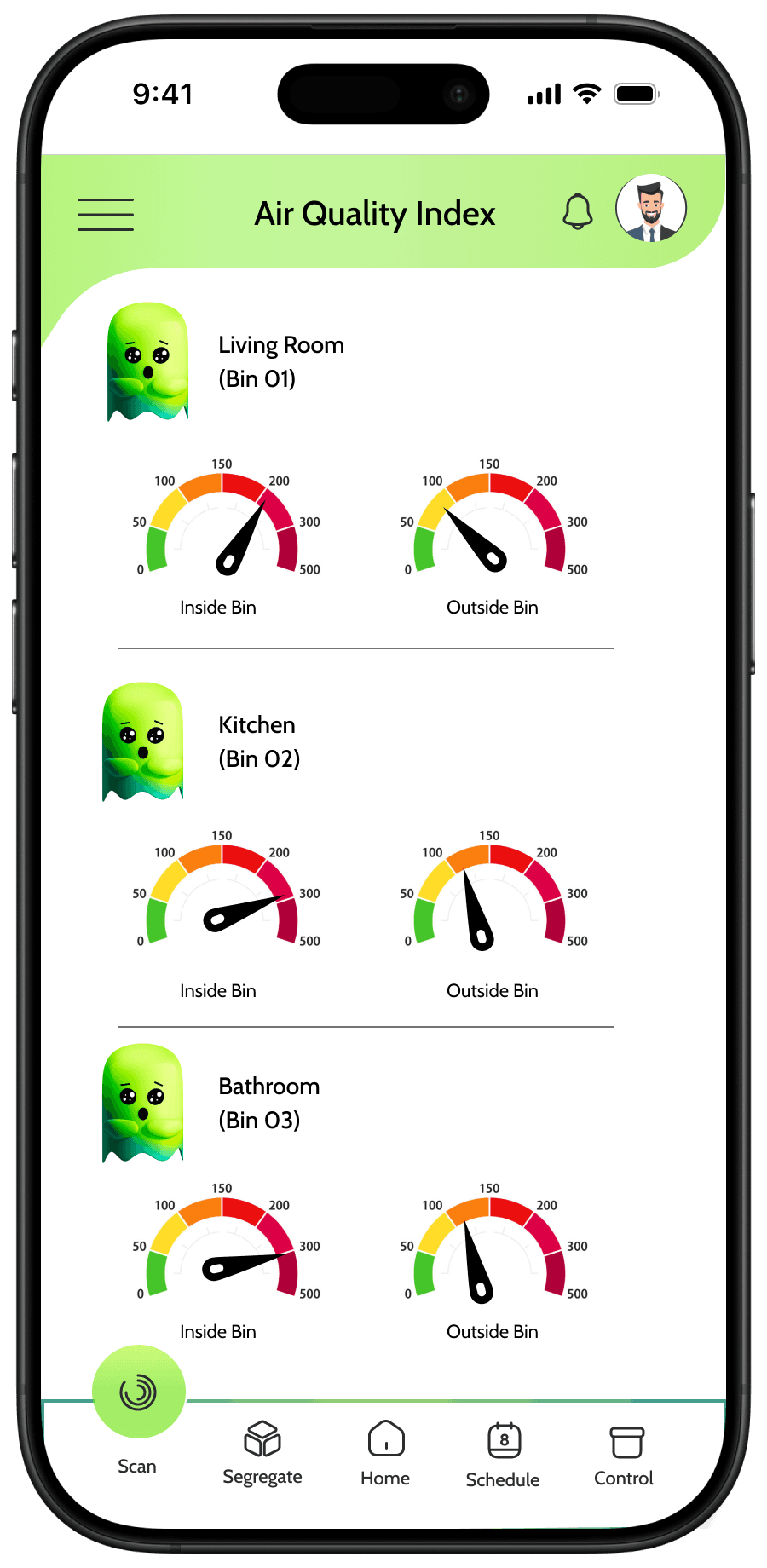
Waste Analysis and monitoring various metrics regarding the waste content such as Waste Level, Air Quality Index and more.